
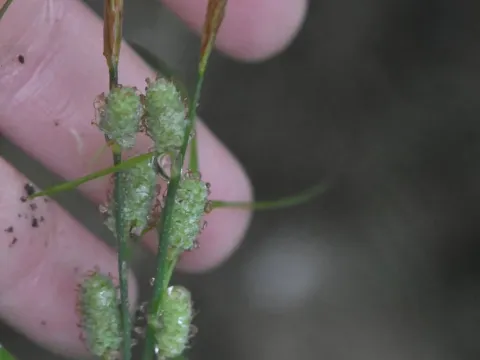
Carex grioletii
Carex grioletii
Carex grioletii is a perennial herbaceous plant belonging to the Cyperaceae family. It is recognized for its robust growth habit and is primarily found in mountainous regions, where it adapts well to diverse environmental conditions.
What the section contains
Carex grioletii
The cultivation of this species requires well-drained soils with moderate moisture levels. It thrives in soils with a neutral or slightly acidic pH, which helps facilitate the optimal uptake of essential minerals during the growing season.
In terms of climate, Carex grioletii prefers areas with consistent sunlight exposure, although it shows remarkable tolerance to partial shade. The plant's ability to withstand periodic drought is attributed to its deep and efficient root architecture.
Agronomic management involves maintaining the soil structure through periodic aeration. Adequate spacing is crucial to prevent moisture accumulation around the base of the plant, especially in colder climates where frost heaving could occur.
Fertilization programs should focus on providing balanced nitrogen and potassium levels during the spring flush. This ensures vigorous foliage development and strengthens the plant against environmental stressors encountered throughout the year.
Carex grioletii is susceptible to common fungal pathogens, including various leaf spot diseases and rusts. These conditions typically arise when humidity remains high for extended periods, creating an environment favorable for spore germination.
Effective management of these threats involves rigorous sanitation practices. Removing dead or infected foliage during the late winter or early spring helps reduce the inoculum levels within the field or landscape area.
Insect pests such as leaf miners and certain species of nematodes can cause significant damage to the plant's health. Early detection through regular crop scouting is essential for preventing widespread infestation in the population.
Soil-borne pests may require intervention if the plant vigor significantly declines. Using biological controls or targeted systemic insecticides can mitigate the impact of these pests while preserving beneficial soil fauna.
Maintaining a healthy, well-ventilated stand of grass is the most effective way to prevent pest and disease outbreaks. Integrated pest management strategies should be applied consistently throughout the lifecycle of the crop.