
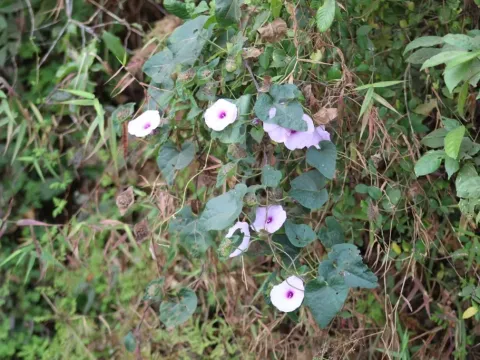
Ipomoea involucrata
Ipomoea involucrata
Ipomoea involucrata is a species of flowering plant in the Convolvulaceae family, known for its climbing habit and distinct floral structure. It is native to the tropical regions of Africa, where it thrives in warm, humid conditions.
What the section contains
Ipomoea involucrata
In temperate climates, the species is typically cultivated as an annual, as it cannot survive cold winters. Sowing is usually performed in greenhouses or protected containers about six to eight weeks before the last expected spring frost.
When sowing directly into the ground, it is essential to ensure that the soil temperature is consistently above 20 degrees Celsius. Seeds should be sown at a depth of approximately 1 to 2 centimeters to ensure optimal germination rates.
Spacing is a critical factor for healthy growth, with individual plants requiring at least 30 to 40 centimeters of space between them. This distance allows for adequate airflow and minimizes the competition for nutrients and soil moisture.
Transplanting seedlings to their final location should be done carefully to avoid root disturbance. Since Ipomoea involucrata is a vigorous vine, providing sturdy support structures such as trellises or netting at the time of planting is highly recommended.
The plant requires full sun exposure to produce the best foliage and flowering results. While it can tolerate partial shade, insufficient light often results in thin, etiolated stems and significantly reduced blooming performance.
Soil quality should be well-drained and relatively fertile, with a neutral to slightly acidic pH range. Sandy loam soils are ideal as they provide the necessary aeration for root development while retaining enough moisture for steady growth.
Watering requirements are moderate but constant; the soil should never be allowed to dry out completely during the heat of the growing season. However, waterlogging must be avoided to prevent root rot, which is a common issue for this species.
Fertilization should focus on phosphorus and potassium to encourage flower production rather than just leafy growth. A balanced, water-soluble fertilizer applied every three weeks during the peak growing season is generally sufficient.
Mulching around the base of the plant can help regulate soil temperature and retain moisture. Keeping the area free of weeds is crucial during the early stages of development, as the plant is sensitive to competition from aggressive weeds.
Spider mites are common pests that thrive in dry, warm conditions and can quickly infest the foliage. Regular inspection of the underside of leaves is recommended, followed by treatment with appropriate acaricides if necessary.
Aphids are another frequent threat, often attacking young shoots and buds. These insects can be controlled using soft soaps or biological insecticides, ensuring that the predator-prey balance in the garden is maintained if possible.
Powdery mildew can occur if there is poor air circulation or high humidity around the canopy. Preventive measures, such as spacing plants correctly and watering at the base rather than overhead, are the most effective management tools.
Root rot is often the result of poor drainage or overwatering. If symptoms such as yellowing leaves or wilting are observed despite moist soil, it is essential to reduce irrigation immediately and improve soil structure for future seasons.
Viral pathogens may sometimes affect the plant, manifesting as stunted growth or mottled leaves. In such cases, the best strategy is to remove and destroy the infected plants to prevent the further spread of the disease to healthy specimens.