
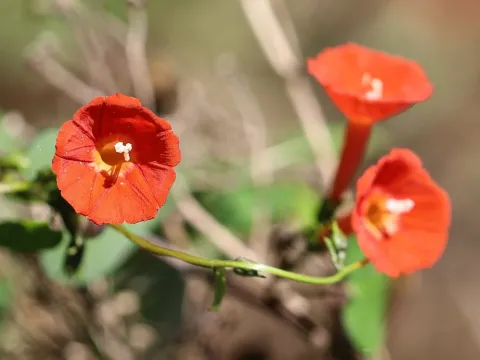
Ipomoea indivisa
Ipomoea indivisa
Ipomoea indivisa is a member of the Convolvulaceae family, known for its vigorous growth and attractive flowers. This plant is predominantly grown as an annual ornamental vine in various horticultural landscapes.
What the section contains
Ipomoea indivisa
The sowing process is highly climate-dependent as the species is strictly thermophilic. Seeds should be sown outdoors only when the soil has thoroughly warmed up in late spring, avoiding any risk of frost.
For regions with shorter growing seasons, starting seeds indoors in biodegradable pots is a recommended practice. This technique protects the fragile root system from transplant shock, which is common in this genus.
Optimal germination requires stable temperatures between +20°C and +25°C. Seeds should be planted at a depth of approximately 1–2 cm, with pre-soaking in water often employed to enhance the uniformity of emergence.
After reaching a sufficient height, seedlings need immediate access to vertical supports. Providing trellis or wire mesh early prevents stems from tangling on the ground and ensures efficient energy use for vine development.
This crop requires full sun exposure to thrive and produce the characteristic bloom density. Even partial shade can lead to leggy growth, reduced foliage quality, and a significant decrease in the number of flowers.
Soil quality is paramount for successful cultivation. The ideal substrate is light, well-draining, and rich in organic matter. Sandy loams are preferred as they allow for adequate oxygen exchange at the root level.
Water management involves keeping the soil consistently moist but never waterlogged. Regular, controlled irrigation is essential during hot, dry spells, while overwatering must be avoided to prevent root rot issues.
Fertilization should be managed carefully. A balanced NPK fertilizer with a higher proportion of phosphorus and potassium is ideal to support flowering, whereas excessive nitrogen will favor leaf growth over bloom production.
Proper spacing is crucial when planting multiple vines to ensure adequate air circulation. Good ventilation helps maintain plant health and reduces the environmental pressure caused by humidity and fungal spores.
Aphids and spider mites are the primary pests that affect Ipomoea indivisa. These pests thrive in hot, dry conditions and can cause significant damage to the foliage if left unchecked during the peak summer period.
Fungal pathogens such as powdery mildew can occur, especially in stagnant air or high humidity. Early detection and the application of suitable fungicides are necessary to keep the infection from spreading throughout the vine.
Root rot is a common physiological threat caused by excessive moisture and poor soil drainage. If symptoms such as leaf wilting appear, the irrigation frequency must be adjusted immediately to allow the soil to dry out.
White rust and various leaf spots might appear if the plant is exposed to persistent rain or overhead irrigation. Keeping the foliage dry by applying water directly to the base of the plant is an effective preventive measure.
Integrated pest management, including monitoring and the removal of affected plant debris, is essential for maintaining a healthy display of the vine throughout the entire growing season.