
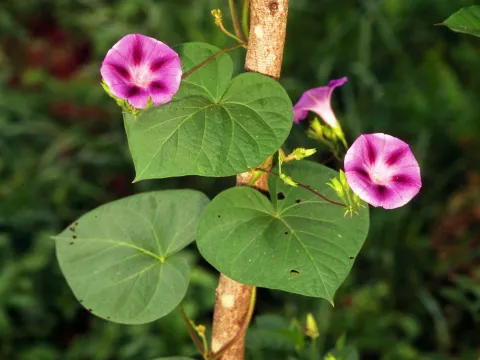
Ipomoea hirsutula
Ipomoea hirsutula
Ipomoea hirsutula is a thermophilic annual vine that requires frost-free conditions for successful establishment. Direct seeding in the field should only occur once soil temperatures consistently exceed 15 degrees Celsius to ensure rapid germination.
What the section contains
Ipomoea hirsutula
For regions with shorter growing seasons, starting seeds indoors is highly recommended. Using peat pots helps in transplanting without disturbing the delicate root system, which is vital for the survival and initial vigor of the young plants.
Seed coat dormancy is common in this species, necessitating pre-sowing treatment. Scarification or soaking seeds in warm water for 24 hours significantly improves the germination rate and results in a more uniform stand of plants.
Planting density must be carefully managed to prevent overcrowding. Providing a spacing of 30 to 40 centimeters allows for adequate airflow between vines, reducing the humidity levels that often lead to fungal pathogen buildup.
Immediate provision of vertical support is a prerequisite for proper development. As the vines begin to climb, they require initial guidance onto the trellis or net to ensure optimal coverage and structural support for the maturing foliage.
This species demands high light intensity and thrives best in full sun exposure. While the plant can tolerate partial shade, insufficient light often results in attenuated stems and a significant reduction in the number of blossoms produced.
Well-drained, fertile soil with a neutral to slightly acidic pH is ideal for Ipomoea hirsutula. Heavy, compacted soils with poor drainage should be amended with organic matter to prevent root rot and allow for healthy root respiration.
Consistent moisture management is essential throughout the vegetative and flowering stages. While the plant is resilient, it performs best when the soil is kept moist but not waterlogged, as stagnant water is detrimental to overall plant health.
A balanced nutrient program is key to maintaining vigorous growth and profuse flowering. Early-season nitrogen applications support leaf and stem development, while phosphorus and potassium are essential once the buds begin to form.
Temperature sensitivity is a defining characteristic of this crop. The plant thrives in warm, stable conditions (20-25 degrees Celsius) and reacts poorly to sharp drops in temperature, which can cause leaf yellowing and a total cessation of metabolic activity.
Spider mites are the most prevalent pest, particularly in dry and hot conditions. Early detection and the application of specific miticides or increased humidity via misting can effectively control populations before they cause severe damage to the foliage.
Aphids can cause significant stress by feeding on succulent apical growth, leading to stunted stems and malformed flowers. Integrating systemic insecticides into the crop management plan is necessary for high-density planting areas.
Fungal issues, particularly stem and root rots, are often associated with poor drainage or over-irrigation. Maintaining good ventilation by pruning and managing weeds helps keep the microclimate dry and prevents the spread of soil-borne pathogens.
Viral infections may appear as chlorotic mosaics on the leaves, severely affecting the plant's vigor. As these diseases are often spread by insect vectors, rigorous monitoring and elimination of diseased plants are necessary to protect the remaining crop.
Good agricultural practices, such as crop rotation and the regular removal of crop debris, serve as the first line of defense. Keeping the growing area free of alternative host weeds minimizes the likelihood of pest and disease outbreaks.