
Ipomoea hochstetteri
Ipomoea hochstetteri
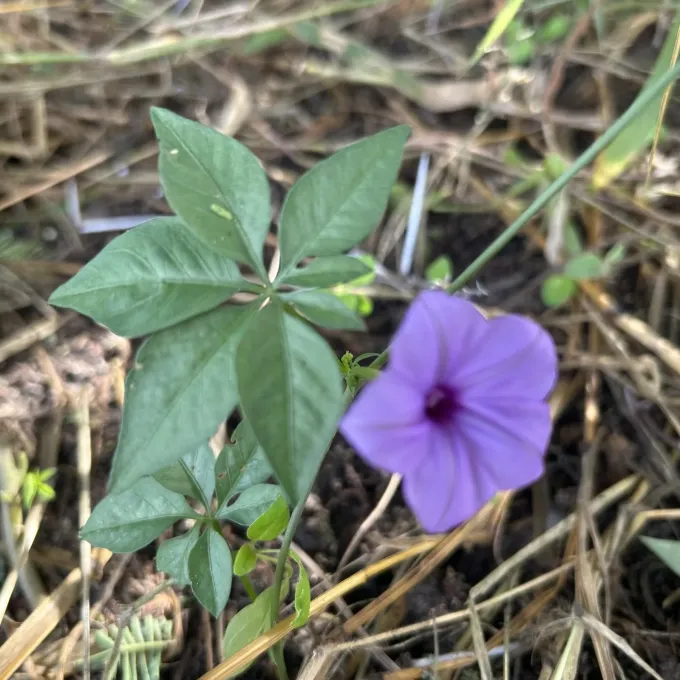
Description
Sowing dates
Ipomoea hochstetteri is a tropical plant that requires stable warm weather for successful cultivation. Sowing should only occur once all danger of frost has passed, as the plant is highly susceptible to chilling injury.
Starting seeds in containers or greenhouses is recommended for regions with shorter growing seasons. Seeds require temperatures between 22 and 25 degrees Celsius to germinate uniformly within a week.
Sowing depth should be approximately 1.5 to 2 centimeters in light, well-draining soil. Ensuring adequate soil moisture during the germination phase is critical for high emergence rates.
When sowing directly into the field, spacing should be carefully managed to prevent overcrowding. Proper density is essential for maximizing light penetration throughout the foliage.
Field preparation must include clearing competing weeds, as the young seedlings are vulnerable to competition during their initial growth phase.
Growing requirements
Belonging to the Convolvulaceae family, this species thrives in fertile, well-draining soils with a neutral pH. It does not tolerate waterlogged conditions, which can lead to rapid root decay.
This crop requires full sun exposure to maintain optimal physiological processes. Adequate heat is necessary for the plant to reach its full vegetative potential during the season.
Water requirements are moderate, but consistent moisture is preferred during peak growth periods. Drought stress can limit foliage production and overall plant health.
The ideal climatic conditions are found in tropical and subtropical regions. The plant does not survive temperatures near freezing, making it unsuitable for frost-prone areas without protection.
Nutrient management involves applying balanced fertilizers, emphasizing potassium for root health and overall resilience against environmental stresses.
Main diseases and pests
Spider mites and aphids are the most common pests affecting this crop. They can cause significant damage to the leaf structure and sap quality if not addressed early.
Fungal diseases such as powdery mildew often appear under conditions of high humidity and poor air circulation. Effective field management involves thinning plants to allow better airflow.
Root rot is a major threat linked to overwatering and poorly structured soil. Improving soil drainage is the most effective preventative measure against this pathogen.
Nematodes can affect the root system, potentially hindering nutrient uptake. Crop rotation is highly recommended to manage soil health and minimize pest buildup.
- Monitoring for pest infestations weekly.
- Improving site drainage to prevent rot.
- Using preventative fungicides when humidity is high.