
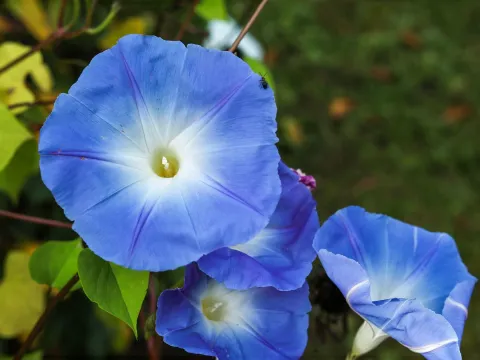
Ipomoea grandiflora
Ipomoea grandiflora
Ipomoea grandiflora, belonging to the Convolvulaceae family, is a vigorous tropical vine native to the Americas. Due to its sensitivity to cold, sowing in open ground should only occur after the danger of frost has passed and soil temperatures have consistently risen above 15 degrees Celsius.
What the section contains
Ipomoea grandiflora
In temperate climates, starting seeds indoors 4–6 weeks before the last frost date is recommended to ensure a longer blooming season. Seeds should be soaked in warm water for 24 hours prior to planting to soften the seed coat and improve germination rates.
Using peat pots for indoor seedlings is advised to minimize root disturbance, as the plant is notoriously sensitive to transplanting. The soil medium must be well-drained and kept consistently moist but not saturated during the germination period.
Once planted outdoors, space the plants at least 30–50 centimeters apart. Providing sturdy support structures like trellises, arbors, or nets is essential, as the species relies on climbing to reach optimal sunlight for photosynthesis.
The site selection is critical: the plants require full sun exposure for at least 6–8 hours a day. Protecting the vines from strong winds is also recommended to preserve the large, delicate blossoms throughout the summer months.
This crop thrives in warm environments, preferring temperatures between 20 and 30 degrees Celsius. It requires significant warmth to initiate and sustain the production of its characteristic large flowers throughout the growing season.
The ideal soil is fertile, loose, and slightly acidic to neutral in pH. Because the root system is susceptible to decay, the planting site must provide excellent drainage, especially in regions with frequent summer rainfall.
Consistent watering is necessary, particularly during the peak of the growing season. The soil should be checked regularly; while it should remain moist, it must never reach a state of waterlogging that could lead to root hypoxia.
Fertilization should focus on phosphorus and potassium to encourage blooming. High-nitrogen fertilizers should be used sparingly, as they promote excessive foliage growth at the expense of floral production.
Regular maintenance includes weeding the base of the plant to prevent competition for nutrients. Additionally, mulching around the roots helps retain soil moisture and stabilizes soil temperatures during hot, dry spells.
Spider mites are the most common pest, especially in dry, hot weather. These microscopic pests feed on cell sap, leading to yellowing leaves and reduced vigor. Regular monitoring and the application of acaricides are necessary for control.
Aphids can cause damage by congregating on new shoots and flower buds, inhibiting proper development. The use of insecticidal soaps or systemic pesticides is effective in managing these outbreaks before they become severe.
Fungal diseases like anthracnose can occur when foliage remains wet for extended periods. Ensuring proper air circulation between vines is the best cultural practice to minimize the risk of spreading fungal spores.
Root rot, often caused by poor soil drainage, can lead to sudden wilting and death. Careful water management and the use of sterile growing media for seedlings are the primary preventive measures against soil-borne pathogens.
Whiteflies can also affect the crop, particularly in greenhouse or sheltered conditions. Integrated pest management, including the use of sticky traps and biological controls, can help manage populations without heavy reliance on chemical sprays.