
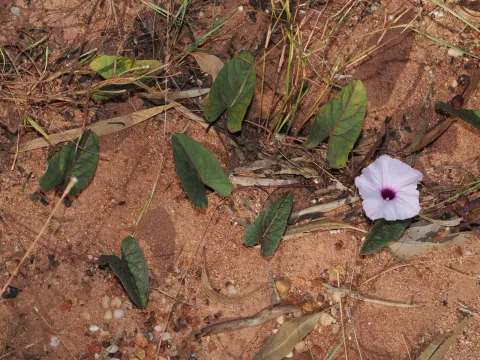
Ipomoea gracilis
Ipomoea gracilis
Ipomoea gracilis is typically sown during the spring when the soil has sufficiently warmed up. As a frost-sensitive plant, it is essential to ensure that temperatures remain consistently mild, as the species does not tolerate cold soil or freezing conditions.
What the section contains
Ipomoea gracilis
In regions with shorter growing seasons, starting the seeds indoors in pots or trays 4–6 weeks before the last expected frost is highly recommended. This practice gives the plants a head start and ensures a more vigorous establishment once they are transplanted outdoors.
The seeds should be planted at a shallow depth of about 1 to 2 centimeters in well-draining, loose soil. Proper moisture levels must be maintained during the germination period to ensure uniform sprouting across the sown area.
Spacing is critical for this vigorous vine. When planting, maintain a distance of at least 30 to 40 centimeters between individual plants to allow for proper airflow and to prevent the entanglement of stems, which can harbor pests.
After transplanting, it is beneficial to provide an initial period of lighter watering until the plants establish their roots in the soil. Consistent monitoring of moisture levels is crucial during the first weeks of the vegetative growth phase.
Ipomoea gracilis, a member of the Convolvulaceae family, requires full sun exposure to thrive and develop its characteristic climbing habits. Sites with southern or western exposure are generally best for maximizing growth and biomass production.
The soil should be well-drained and relatively fertile. While the plant can adapt to various soil types, it performs best in sandy loam or medium-textured soil that does not hold excess moisture, as waterlogged conditions often lead to root decay.
Providing structural support is a fundamental requirement for the agricultural management of this species. Trellises, wire fences, or mesh netting should be installed at the time of planting to provide a surface for the vines to climb naturally.
Regarding water management, the plant prefers consistent moisture without being flooded. During prolonged dry spells, deep watering is preferred over frequent light sprinkling, as it encourages the roots to grow deeper into the soil profile.
Nutrient requirements are moderate. Incorporating well-rotted organic matter before planting usually provides sufficient nutrients for the season. Avoid excessive nitrogen fertilizer, which encourages foliage growth but may suppress the overall vigor of the root system.
Common pests affecting Ipomoea gracilis include aphids, spider mites, and whiteflies. These insects typically congregate on the undersides of leaves, and if left unchecked, can lead to significant stunting and yellowing of the foliage.
Fungal issues, such as powdery mildew, often arise in crowded plantings with poor air circulation or during periods of high humidity. Keeping the canopy sparse and ensuring good ventilation is a vital preventive strategy for the gardener.
Root rot is the most serious threat, usually caused by overwatering or poor soil drainage. If symptoms appear, reducing irrigation and ensuring the affected areas are allowed to dry out is the first line of defense.
Management of these threats involves a combination of cultural practices, such as removing infested plant material, and the use of targeted biological or chemical control agents when necessary to preserve plant health.
Regular scouting of the plants is essential for early detection of potential outbreaks. Maintaining overall plant vigor through balanced nutrition and proper watering creates a natural resistance to most common pests and diseases.