
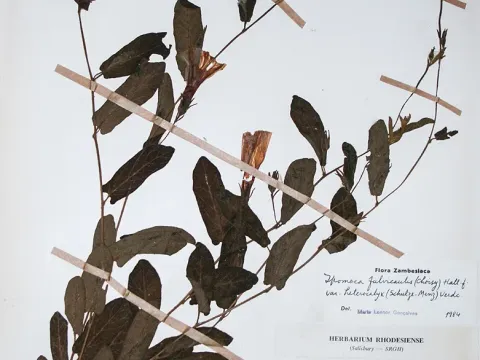
Ipomoea fulvicaulis
Ipomoea fulvicaulis
Ipomoea fulvicaulis is a perennial herbaceous plant belonging to the Convolvulaceae family. Native to the diverse landscapes of Africa, this species is well-adapted to savanna environments, demonstrating resilience to fluctuating climatic conditions and seasonal water stress.
What the section contains
Ipomoea fulvicaulis
Botanically, the plant is distinguished by its pubescent stems and versatile leaf structures. Its primary root system is robust, allowing the plant to store essential nutrients and moisture, which is critical for surviving periods of drought common in its natural geographical range.
The crop thrives in warm climates, requiring consistent temperatures and abundant sunlight to reach its full physiological potential. It is sensitive to frost and sudden drops in temperature, which can severely damage the foliage and disrupt the photosynthetic process.
Soil requirements focus on well-draining textures, such as sandy loams, which prevent the risk of root asphyxiation. The plant prefers slightly acidic to neutral soil conditions and benefits from organic matter enrichment, which improves the overall structure and fertility of the planting site.
Historically, the plant has been utilized in regional traditional practices, with its economic value largely stemming from the study of its phytochemical properties. Contemporary agricultural interest focuses on its potential as a specialized crop in controlled environments where its growth parameters can be optimized.
Fungal infections represent a significant threat to Ipomoea fulvicaulis, particularly during seasons of high humidity and poor air circulation. Diseases such as powdery mildew and various leaf spot pathogens can rapidly diminish leaf surface area and inhibit plant development.
Pest pressures are primarily driven by sap-sucking insects like aphids and spider mites, which exploit the nutrient-rich fluids in the leaves. These infestations can lead to severe chlorosis and structural damage to the stems, making the plant more vulnerable to secondary infections.
Management strategies include proper spacing to ensure adequate airflow and monitoring irrigation schedules to prevent localized high-humidity zones. Early detection is paramount, and regular scouting of the undersides of leaves is essential for identifying pest presence before populations reach damaging levels.
Chemical control should be employed judiciously, prioritizing products that target specific life stages of the identified pests while minimizing impacts on beneficial insects. Biological control agents may also be effective when integrated into a broader pest management program.
In conclusion, successful cultivation requires a balanced approach that combines understanding of the species' native requirements with consistent field management. By managing the microclimate and ensuring early diagnosis of threats, producers can improve yield stability for this crop.