
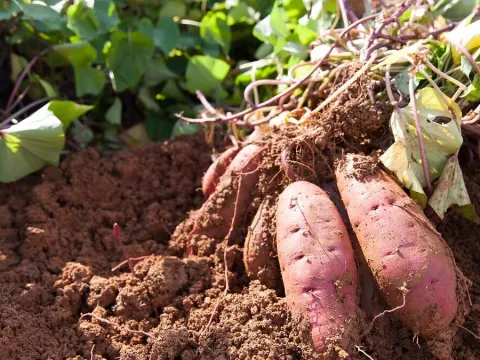
Ipomoea fastigiata
Ipomoea fastigiata
Ipomoea fastigiata is a member of the Convolvulaceae family, known for its climbing growth habit and formation of tuberous roots. It is closely related to the common sweet potato but maintains distinct botanical characteristics that differentiate it in cultivation.
What the section contains
Ipomoea fastigiata
The plant is native to the tropical regions of the Americas. Its natural habitat includes tropical forests and open areas where the climate is consistently warm, allowing it to act as a vigorous perennial climber throughout the year.
Successful cultivation requires high temperatures, as the plant is highly sensitive to cold and frost. Development of the root system is optimal in environments with long growing seasons, where temperatures remain above 20 degrees Celsius for most of the period.
The ideal soil for this crop is well-drained and sandy, allowing the roots to expand without physical resistance. Soil aeration is critical; compaction inhibits the development of uniform tubers and significantly reduces the total marketable harvest.
Agricultural management includes providing support structures for the vines to climb, which enhances light exposure for the leaves. Adequate water supply during the early stages is essential, followed by slightly drier conditions as the tubers reach maturity.
Pest pressure is primarily driven by root-boring insects, such as weevils, which can destroy the interior of the storage organs. These pests are notoriously difficult to control once they have infested the subterranean parts of the plant.
Aphids and spider mites are common pests that target the foliage. They thrive in dry conditions and can cause significant foliage damage, which directly limits the energy production required for tuber development.
Fungal diseases like root rot are prevalent in soils with poor drainage. Once a fungal pathogen colonizes the root zone, the plant's ability to transport nutrients is compromised, leading to rapid yellowing and death of the vine.
Viral infections transmitted by whiteflies or thrips represent another major threat. These infections often lead to mosaic patterns on the leaves and stunted growth, necessitating the prompt removal of symptomatic plants to protect the rest of the field.
Integrated pest management strategies are highly recommended to keep the crop healthy. These include crop rotation, the use of disease-free propagation material, and regular field scouting to identify and treat issues at the earliest possible stage.