
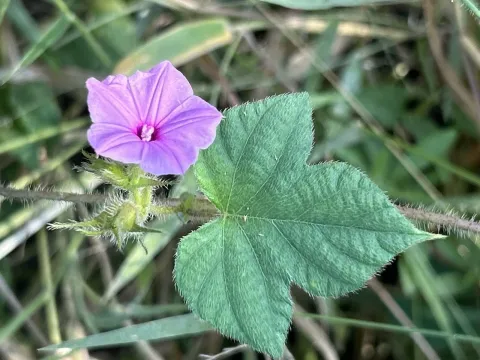
Ipomoea dichroa
Ipomoea dichroa
Ipomoea dichroa is a herbaceous perennial belonging to the Convolvulaceae family. It is known for its vigor and adaptability in warm climates, often found in various ecological niches where high temperatures dominate throughout the growing season.
What the section contains
Ipomoea dichroa
Sowing should occur once the soil has reached an optimal temperature, generally above 20°C. Early establishment is crucial for the development of the root system, which supports the plant's rapid biomass accumulation during the primary vegetative phase.
Seeds are typically sown at a depth of 2–3 cm. It is important to maintain consistent soil moisture during the germination period to ensure uniform emergence across the field, which simplifies subsequent field management tasks.
Strategic plant spacing is necessary to avoid competition for sunlight and nutrients. As the plant is prone to spreading, adequate spacing helps in maintaining air circulation, which is vital for the overall health of the crop.
Early-stage growth requires vigilance against environmental stress. Providing protection from sudden cold snaps or heavy mechanical disturbance allows the young plants to establish effectively and thrive in their designated growth area.
This crop thrives in full sun exposure. Sunlight is a limiting factor for Ipomoea dichroa, as insufficient light will result in spindly growth and a significant reduction in the expected photosynthetic output of the plant.
The soil profile should be well-drained and friable. The plant is sensitive to waterlogged conditions, which can inhibit respiration in the root zone and make the plant susceptible to soil-borne pathogens or root rot.
The optimal pH range for this species is between 6.0 and 7.5. While it can tolerate a variety of soil types, light sandy or loamy soils are ideal for ensuring proper nutrient uptake and avoiding soil compaction that could limit growth.
Water requirements remain moderate, though increased hydration is necessary during the peak of the growing season. Efficient irrigation systems, such as drip irrigation, are recommended to maintain soil moisture without creating water accumulation.
Nutrient management should focus on balanced N-P-K levels. Excessive nitrogen application might lead to an overproduction of foliage at the expense of root stability or overall resilience against environmental pathogens.
The crop is vulnerable to various insect pests, particularly lepidopteran larvae that consume foliage. Implementing integrated pest management (IPM) strategies, including biological control agents, can minimize reliance on broad-spectrum pesticides.
Fungal diseases, including powdery mildew and various leaf spot pathogens, are common in humid conditions. Maintaining adequate space between plants and ensuring proper field drainage are essential cultural practices to mitigate these risks.
Root rot represents a significant threat to production, usually triggered by stagnant water and poor soil drainage. Regular inspection of the root zone and implementing a strict rotation schedule can help prevent the buildup of pathogens in the soil.
Aphids and other sap-sucking insects can cause damage by weakening the plant and acting as vectors for viral infections. Early detection through field monitoring allows for precise intervention, preventing widespread infestation across the crop area.
Consistent farm sanitation is required to keep disease pressure low. Removing infected debris and maintaining weed control around the field borders are basic yet effective measures to ensure the longevity and health of the Ipomoea dichroa crop.