
Tree morning glory
Ipomoea arborescens
The Tree morning glory (Ipomoea arborescens) is a fascinating woody species belonging to the Convolvulaceae family. Unlike most species in its genus, which are herbaceous climbers, this plant takes the form of a tree or a large shrub, growing up to several meters in height.
What the section contains
Tree morning glory
Native to the arid regions of Mexico and Central America, this plant is naturally adapted to dry tropical forests. It requires full sun exposure and sandy, well-draining soils to maintain its woody structure and prevent root rot during dormant phases.
Climatic requirements are strict: the species demands high, stable temperatures throughout the year. It cannot survive frost or prolonged exposure to freezing temperatures, making it suitable primarily for tropical and subtropical climates.
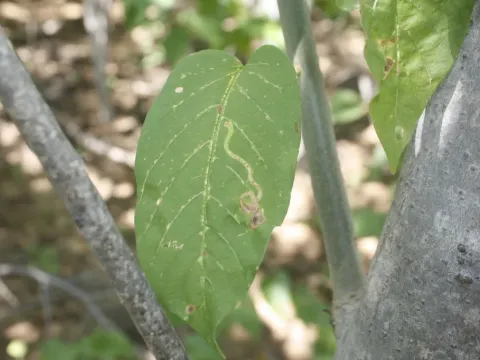
The botanical structure is unique, featuring a smooth, grey bark and thick, water-storing stems that allow the plant to survive extended drought. It follows a seasonal cycle, shedding leaves before producing stunning white flowers with yellow centers.
Its primary use is in landscaping and botanical gardens as an ornamental specimen. In traditional contexts within its native range, the plant has also been recognized for various medicinal properties derived from its bark and sap.
Root rot caused by excessive soil moisture is the primary physiological threat to Ipomoea arborescens. In cultivation, improper irrigation practices are the leading cause of plant failure.
Common insect pests include scale insects and mealybugs, which are known to infest the bark and tender tips of the branches, potentially leading to stunted growth.
Fungal infections, particularly those that thrive in stagnant or humid conditions, can cause severe damage if the canopy density is not managed or if airflow is poor.
Spider mites represent a specific risk in dry, indoor, or greenhouse environments where natural humidity is low and predator insects are absent.
Effective management requires strict adherence to dry/wet cycles, regular inspection of the trunk, and the application of specialized pesticides if a pest infestation is detected early.