
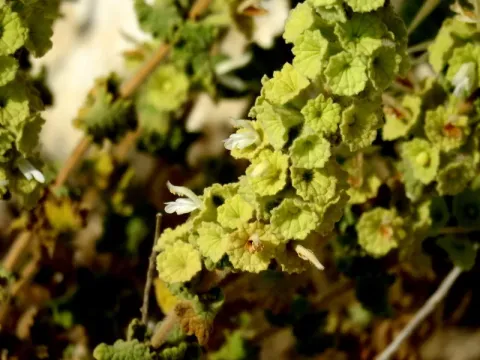
Woolly bindweed
Convolvulus lanatus
Woolly bindweed (Convolvulus lanatus) is a perennial herbaceous plant belonging to the Convolvulaceae family. It is recognized for its dense, woolly-like indumentum, which provides significant protection against the harsh sun and high temperatures in its native habitats.
What the section contains
Woolly bindweed
The species originates from the Mediterranean and North African regions, where it has evolved to thrive in nutrient-poor, sandy, and stony soils. This background makes it an exceptionally hardy plant in arid environments.
Agricultural success depends on providing full sun exposure throughout the day. Convolvulus lanatus requires high light intensity to maintain its characteristic compact shape and healthy silver-green appearance.
Soil requirements are strict regarding drainage. The plant will suffer if roots remain wet for extended periods, as it is highly susceptible to root decay when drainage is insufficient or soil is too heavy.
In terms of agricultural maintenance, the plant is relatively low-input. Once established, it demonstrates high drought tolerance, requiring minimal irrigation and virtually no synthetic fertilizers, which helps reduce production costs.
The primary threats to Convolvulus lanatus involve fungal pathogens, particularly powdery mildew, which can develop if the plant is grown in areas with poor air circulation or excessive ambient humidity.
Root rot is a major risk factor, especially when the crop is cultivated in soil compositions that fail to drain water efficiently, leading to hypoxic conditions in the rhizosphere.
Insect pests such as aphids can colonize the young, tender growth, potentially causing foliage damage and nutrient loss, which in turn hampers the overall vitality of the plant.
Spider mites are another concern during extremely hot and dry seasons, especially if the plant is under stress, which can lead to premature leaf drop or stunted development.
Effective management includes regular monitoring for early signs of infection or infestation, along with implementing integrated pest management strategies to keep the crop healthy without excessive chemical use.