
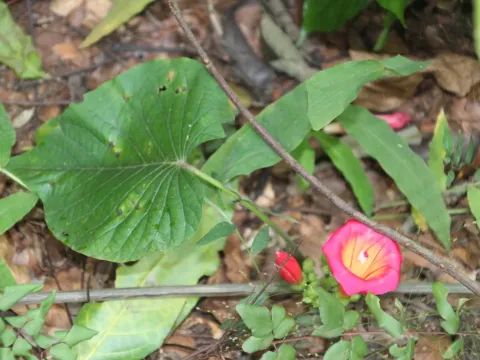
Stictocardia
Stictocardia
Stictocardia is a genus of tropical climbing plants belonging to the Convolvulaceae family. Characterized by woody stems and large, heart-shaped leaves, it is a popular choice for large greenhouses and tropical gardens where it can reach significant height.
What the section contains

Stictocardia
Originating from warm regions of Africa and Asia, this culture thrives in climates that mirror its native habitat. It requires a humid atmosphere and consistent temperatures to support its vigorous annual growth and periodic flowering.
Successful cultivation depends on providing bright, filtered light. While the plant loves warmth, direct exposure to harsh sun can scorch the foliage, necessitating a balance of shelter and sufficient illumination throughout the day.
The ideal soil profile for Stictocardia involves a well-draining, nutrient-rich substrate. Since the plant is sensitive to waterlogging, using a mix that prevents moisture accumulation around the roots is essential for long-term health.
Agronomic management includes providing a sturdy trellis system. As a fast-growing vine, it requires space to spread and frequent training to maintain its desired shape and aesthetic appeal within its designated environment.
The primary pests affecting Stictocardia in indoor or greenhouse settings are spider mites and mealybugs. Early detection via routine inspection of the leaf undersides is crucial to manage these populations effectively.
Fungal issues, particularly stem rot, are common symptoms of improper irrigation. To prevent these threats, gardeners should ensure the growing medium dries slightly between waterings, especially during the dormant season.