
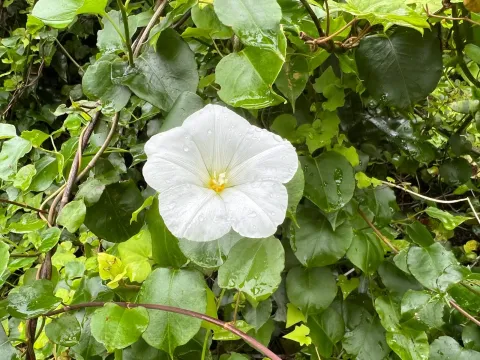
Bindweed (Calystegia)
Calystegia
Bindweed (Calystegia) is a genus of perennial herbaceous plants within the Convolvulaceae family. In global agriculture, several species within this genus are classified as significant rhizomatous weeds, notorious for their ability to choke out primary crops.
What the section contains
Bindweed (Calystegia)
The plant features extensive, deep-reaching rhizomes that store nutrients, allowing it to survive harsh conditions and regenerate rapidly. Its twining stems can climb tall crops like maize or sunflowers, causing lodging, shading, and significant harvest losses during mechanized operations.
Calystegia thrives in diverse soil types, ranging from fertile silts to heavier clay-loam soils, provided there is adequate moisture. It is particularly prevalent in temperate regions, frequently infesting crop fields, hedge rows, and drainage ditches across the globe.
The plant is highly adaptable to various climatic conditions, exhibiting remarkable persistence in both wet and relatively dry seasons. This versatility makes it one of the most challenging weeds to manage in both organic and conventional farming systems.
While not a traditional agricultural crop, some species are utilized in ornamental gardening as fast-growing climbers. However, in an agricultural context, its primary economic role is negative, requiring consistent monitoring and tactical control measures to ensure productivity.
The primary threat posed by Calystegia is its resilience to standard cultivation. When rhizomes are severed by plows or harrows, each segment acts as a propagule, facilitating new vegetative growth and rapidly increasing the density of the weed infestation.
Regarding diseases, bindweed serves as a primary host for various viral pathogens, including cucumber mosaic virus, which can spread to essential vegetables and cereals. Managing the weed population is therefore critical for overall field phytosanitary health.
Common insect pests include various beetles and leaf-miners that feed on the foliage. Although these insects can sometimes reduce the vigor of the bindweed, they are generally insufficient to provide effective biological control in an intensive agricultural environment.
Chemical control is often necessary, utilizing systemic herbicides applied during the plant's active growth stage. Pre-harvest and post-harvest applications are common strategies to ensure the chemical is translocated down to the rhizomes for complete eradication.
Integrated Weed Management (IWM) is the recommended approach. This includes competitive cropping, crop rotation with forage grasses, and the strategic use of herbicides to deplete the carbohydrate reserves stored in the extensive underground rhizome network.