
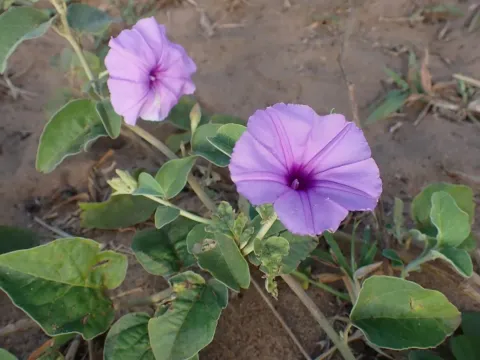
Astripomoea
Astripomoea
Astripomoea, a member of the Convolvulaceae family, requires specific timing for sowing to ensure successful germination. The seeds need consistently warm soil, typically reaching temperatures of 15–18 degrees Celsius, to emerge reliably and avoid cold-induced dormancy.
What the section contains


Astripomoea
In most temperate agricultural regions, sowing is conducted in late spring once all risk of frost has passed. Using a transplanting method is often preferred for more controlled environments to give the crop a competitive advantage in the early stages of development.
Proper seed placement is critical for the success of this crop. Seeds should be sown at a shallow depth of approximately 1–2 centimeters, ensuring the soil is fine-textured to allow the small embryos to break through the surface without excessive energy expenditure.
Row spacing should be maintained between 40 and 50 centimeters. This distance provides adequate space for mechanical weeding, improves air circulation around the plants, and reduces the risk of fungal infections caused by high local humidity.
Thinning is an essential post-germination step, as spacing individual plants at intervals of 20–30 centimeters allows each specimen to reach its full physiological potential. Overcrowded fields often result in stunted growth and increased susceptibility to environmental stress.
The ideal environment for Astripomoea consists of well-drained, fertile sandy-loam or loam soils. While the plant is adaptable, it strictly avoids waterlogged conditions, which are highly detrimental to its root health and long-term vitality.
Astripomoea is recognized for its relative drought tolerance once established, but it performs best with consistent moisture levels during the active growth phase. Managing water intake is key to maintaining a balanced metabolic rate and ensuring robust foliage development.
The optimal soil pH range for this crop is between 6.0 and 7.0. In soils that fall outside this neutral range, the nutrient availability, particularly phosphorus and micro-nutrients, may be compromised, leading to chlorosis or reduced biomass accumulation.
Exposure to full sunlight is a prerequisite for high yields. Astripomoea requires high levels of light intensity to stimulate physiological processes and promote healthy stem structure throughout the entire vegetative period.
Regular fertilization with a balanced NPK ratio, with an emphasis on potassium during the later growth stages, helps in building stress resilience. Applying nutrients in split doses ensures that the plant has access to energy throughout its life cycle.
Root rot pathogens represent the most significant threat to Astripomoea, especially when cultivated in soils with poor drainage. Implementing a rigorous irrigation schedule and maintaining optimal soil structure are the primary defenses against these destructive pathogens.
Pests such as aphids and spider mites can colonize the foliage during prolonged dry spells, leading to structural damage and the transmission of secondary infections. Vigilant scouting is recommended to catch infestations before they reach economic threshold levels.
Integrated Pest Management (IPM) strategies, including the use of targeted biological agents or selective insecticides, are recommended when pest density exceeds acceptable levels. Maintaining field hygiene by removing crop debris helps keep pest populations under control.
Fungal leaf spot diseases may appear when ambient humidity remains high for extended periods. Pruning affected leaves and improving canopy ventilation can mitigate the rapid spread of spores throughout the field, protecting the overall health of the harvest.
Adherence to a structured crop rotation schedule is vital to prevent the accumulation of soil-borne pathogens. Avoiding planting Astripomoea in fields previously occupied by other Convolvulaceae members reduces the risk of host-specific diseases significantly.