


Reference · Crops
Bindweed
Convolvulus L.
Bindweed (genus Convolvulus L.) belongs to the Convolvulaceae family and includes both annual and perennial species characterized by their twining or trailing stems. These plants are known for their rapid growth and ability to thrive in diverse environmental conditions worldwide.
4
items
What the section contains
Marketplace
Products in this section · 12


Julian, RK (dicamba dimethylamine salt, 480 g/l)
Unicity Enterprises L.P.
Herbicides
0
0
5 offers
11.24 €per 1 l
Buy


Bindweed
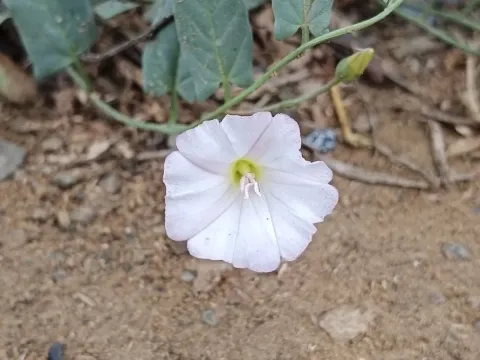
Botanically, bindweeds possess simple leaves and distinct trumpet-shaped flowers. Their most notable feature is an extensive, deep-reaching root system, which allows the plant to access moisture and nutrients deep within the soil profile, ensuring survival during intense drought.
They prefer sun-exposed habitats and show high versatility regarding soil types, performing best in well-aerated, fertile soils. While some species are cultivated for their ornamental value, many are classified as significant agricultural weeds that compete with crops for light and space.
The global distribution of the genus encompasses various climatic zones, from Mediterranean climates to temperate regions. Their ability to propagate through both seeds and rhizome fragments makes them a resilient and persistent presence in diverse agricultural landscapes.
Effective management of bindweed requires a profound understanding of its life cycle. Farmers often utilize crop rotation, frequent mechanical cultivation to exhaust rhizome energy reserves, and selective chemical interventions to minimize their impact on primary crop yields.
Bindweed populations are susceptible to several pests, including leaf-feeding beetles and moth larvae, which can defoliate the plants. While these pests sometimes provide natural suppression, they are rarely sufficient to eradicate well-established perennial populations.
Fungal pathogens such as powdery mildew and various rust fungi are common threats, especially in humid microclimates where air circulation is limited. These diseases can stress the plant and reduce its invasive vigor.
In agricultural settings, chemical control involves the application of systemic herbicides that are transported through the phloem to the underground root structures, ensuring the destruction of the entire plant system rather than just the foliage.
Mechanical control measures are most effective when implemented consistently over multiple growing seasons, as the plant possesses a significant capacity for regeneration from buried root buds.
Developing sustainable control strategies involves monitoring the weed's phenology to apply treatments at the most vulnerable stages, such as during active flowering, when the plant is actively translocating nutrients to its roots.