
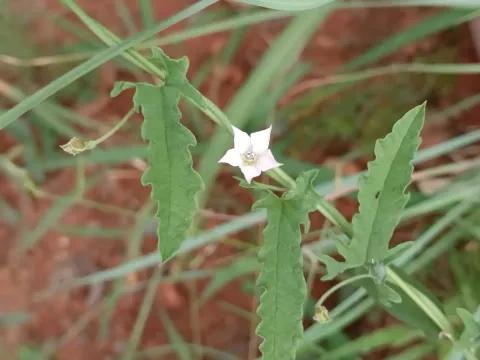
Arrow-leaf bindweed
Convolvulus sagittatus
Arrow-leaf bindweed (Convolvulus sagittatus) is a perennial herbaceous plant belonging to the Convolvulaceae family. It is characterized by an extensive and deep-seated root system that allows it to thrive in various soil types and environmental conditions.
What the section contains
Arrow-leaf bindweed
The plant originates from regions with temperate and subtropical climates. It favors well-lit areas and is known for its high resilience to drought, often outcompeting crop plants for water and nutrients during the active growing season.
Botanically, it is identified by its sagittate (arrow-shaped) leaves and twining stems. Its ability to climb on other crops creates mechanical competition, hindering the growth and development of the main agricultural plants.
In farming, this species is considered a persistent weed. Its high adaptive capacity makes it difficult to eradicate once it establishes a strong root colony, as it can regenerate even from small pieces of roots left in the soil after tillage.
Growth requirements include moderate temperatures and good light penetration. Even in poor soil conditions, the plant's strategy is to allocate resources to root development, ensuring long-term survival in the agro-ecosystem.
Common diseases affecting this plant include various fungal infections like powdery mildew, which can serve as a primary source of inoculum for surrounding field crops if not managed properly.
Pests that inhabit this bindweed species include various beetles and insect larvae that feed on its foliage. These pests can occasionally migrate to agricultural fields, increasing the need for pest management interventions.
Management strategies often involve a combination of deep cultivation to exhaust the energy stored in the roots and the application of systemic herbicides capable of reaching the deep root tissues.
Integrated pest management (IPM) practices, including the use of competitive cover crops, are recommended to shade out the bindweed and reduce its ability to establish or spread throughout the field.
Field hygiene is critical; cleaning equipment and ensuring that seeds or root fragments are not transported between fields are essential steps to prevent the infestation of this hardy perennial weed.