
Blue Daze
Evolvulus hybrids
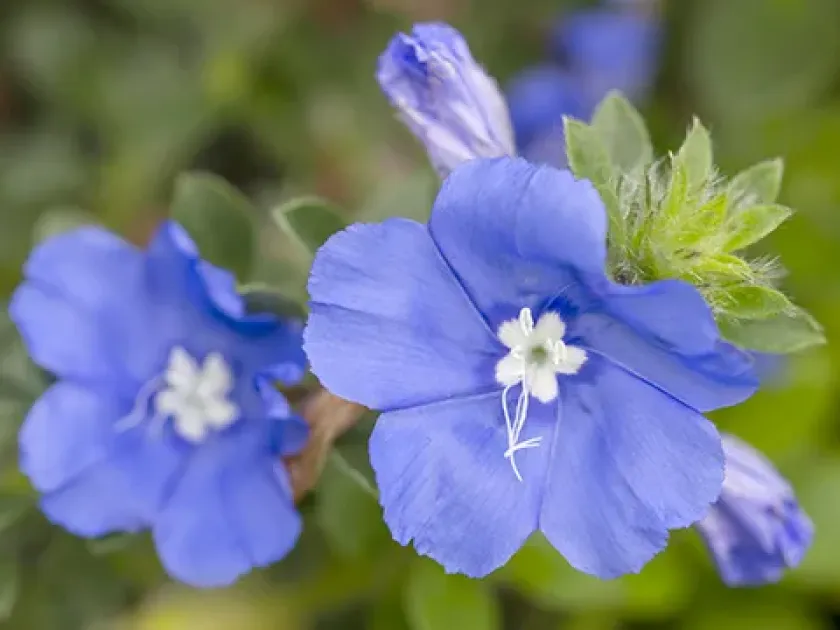
Description
Sowing dates
Sowing Evolvulus hybrids seeds should begin in late winter, approximately 10 to 12 weeks before the expected last frost date. These plants thrive in high temperatures, making early indoor start essential for a robust growing season.
Use a sterile, well-draining seed-starting mix to ensure healthy root development. Seeds should be pressed lightly into the soil surface; they require exposure to light for successful germination and should not be buried deep.
Keep the container in a warm, bright location, ideally with a constant temperature around 22–25 degrees Celsius. Consistent moisture is crucial during the germination phase, but the surface should never be waterlogged.
Transplanting seedlings into individual containers happens once the first true leaves appear. This step allows for better root space and prevents overcrowding, which could lead to weak or leggy stems.
Acclimatization before planting outside is vital. Gradual exposure to sunlight and outdoor temperatures over a two-week period helps the plant adjust to the new environment, reducing transplant shock.
Growing requirements
Evolvulus hybrids belongs to the Convolvulaceae family. It is a perennial plant in tropical regions, but in temperate zones, it is typically grown as an annual because it cannot withstand freezing temperatures.
The plant features a low-growing, spreading habit, making it an excellent choice for ground cover in sunny borders or as a trailing element in hanging baskets. Its signature sky-blue flowers open wide in full sun.
Soil requirements are straightforward: the most important factor is excellent drainage. This plant is highly sensitive to "wet feet," and planting it in heavy, poorly drained soil will almost certainly lead to root rot.
Regarding water, provide moderate and consistent moisture. While the plant shows some tolerance to short periods of drought once established, regular watering is necessary to ensure an impressive display of flowers throughout the summer.
Fertilization should be handled with a balanced, slow-release fertilizer during the active growing phase. Avoid excessive nitrogen, as it encourages dense foliage production at the expense of floral development.
Main diseases and pests
Root rot is the most common health issue for Blue Daze. It usually stems from over-watering or poor soil drainage. Symptoms include wilting despite moist soil, which indicates that the root system is no longer functioning.
Spider mites are the most frequent pests, especially during hot and dry summer spells. These tiny pests suck sap from the leaves, causing stippling and general decline of the plant’s vigor.
Aphids might appear on tender new growth. Early detection is key; inspect the undersides of the leaves regularly. If found, a gentle stream of water or an insecticidal soap is usually effective for control.
Powdery mildew can affect the foliage in humid, stagnant air conditions. Ensure there is plenty of space between plants to allow for airflow, which significantly reduces the risk of fungal outbreaks.
In container cultivation, ensure the drainage holes are not blocked. Soil compaction over time can lead to poor aeration, weakening the plant and making it more susceptible to various soil-borne pathogens.