
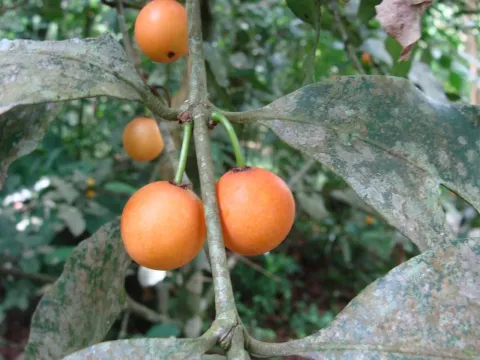
Garcinia intermedia
Garcinia intermedia
Garcinia intermedia is an evergreen fruit-bearing tree belonging to the Clusiaceae family. It is native to the tropical regions of Central and South America, where it thrives in humid, shaded forest environments.
What the section contains
Garcinia intermedia
This species requires a tropical or subtropical climate to develop properly. It is highly sensitive to frost, necessitating cultivation in controlled greenhouse environments or tropical regions with stable, warm temperatures throughout the year.
The ideal soil for this crop is deep, fertile, and well-drained. It performs best in soils ranging from slightly acidic to neutral, avoiding waterlogged conditions which are detrimental to the tree's health and root development.
Cultural practices should focus on maintaining adequate spacing to accommodate the tree's architecture, which can reach significant heights. In agroforestry settings, it serves as a valuable component due to its evergreen canopy.
Light management is crucial, especially during early growth stages. While seedlings often prefer partial shade to prevent scorching, mature trees can tolerate more direct exposure, provided the soil moisture is kept consistent.
The main agricultural output of this plant is its edible fruit, which is small, bright, and sweet-sour. These fruits are utilized extensively for fresh consumption and the preparation of artisanal beverages, jams, and various culinary products in its native range.
Like many tropical species, it is susceptible to fungal infections caused by high humidity or poor airflow. Maintaining proper plant density and regular pruning of deadwood are essential preventative measures to keep the orchard healthy.
Common pests include scale insects and mealybugs, which can cause significant damage to foliage and young branches. Integrated pest management (IPM) strategies are recommended to mitigate the impact of these pests on fruit yield.