
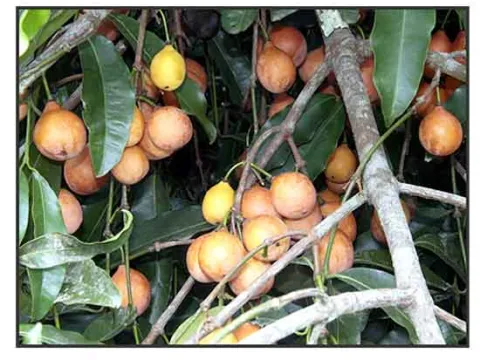
Garcinia lateriflora
Garcinia lateriflora
Garcinia lateriflora is an evergreen tree species belonging to the Clusiaceae family. It is native to the tropical regions of Southeast Asia, thriving in diverse rainforest environments across countries like the Philippines and Indonesia.
What the section contains
Garcinia lateriflora
The plant requires a warm, humid tropical climate with consistent temperatures year-round. It prefers fertile, loamy soil with excellent drainage, as the species is highly sensitive to waterlogged conditions that can cause root decay.
Cultivation requires significant attention to light management; while mature trees can tolerate more light, younger plants need partial shade to prevent leaf scorching. Adequate spacing is essential to allow for the natural spread of the tree canopy.
In terms of agricultural practices, regular irrigation is vital during dry spells, ensuring the moisture levels remain stable but not excessive. Soil enrichment with organic compost supports healthy growth and improves the yield of edible fruits.
Beyond its agricultural value, Garcinia lateriflora is known for its medicinal potential. Various parts of the tree are traditionally used to treat ailments, and the fruit is harvested for its unique flavor profile, making it a valuable local resource.
The primary threats to Garcinia lateriflora include fungal diseases such as anthracnose, which can affect both leaves and fruit, especially during high-humidity seasons. Poor air circulation often exacerbates these conditions.
Common insect pests include mealybugs, scale insects, and aphids, which attach themselves to young stems and leaves. If left untreated, these infestations lead to stunted growth and increased susceptibility to secondary infections.
Integrated pest management, including the use of horticultural oils and biological control agents, is recommended for sustainable production. Preventive spraying helps maintain plant health without disrupting local ecosystems.
Pruning is a critical maintenance practice. By thinning out the internal branches, growers can improve light penetration and airflow, which drastically reduces the risk of fungal proliferation within the dense canopy.
Finally, monitoring the root zone is crucial. Root-knot nematodes can potentially impact trees grown in sandy soil types, making it necessary to implement crop rotation or soil treatment if the health of the trees begins to decline significantly.