
Garcinia gardneriana
Garcinia gardneriana
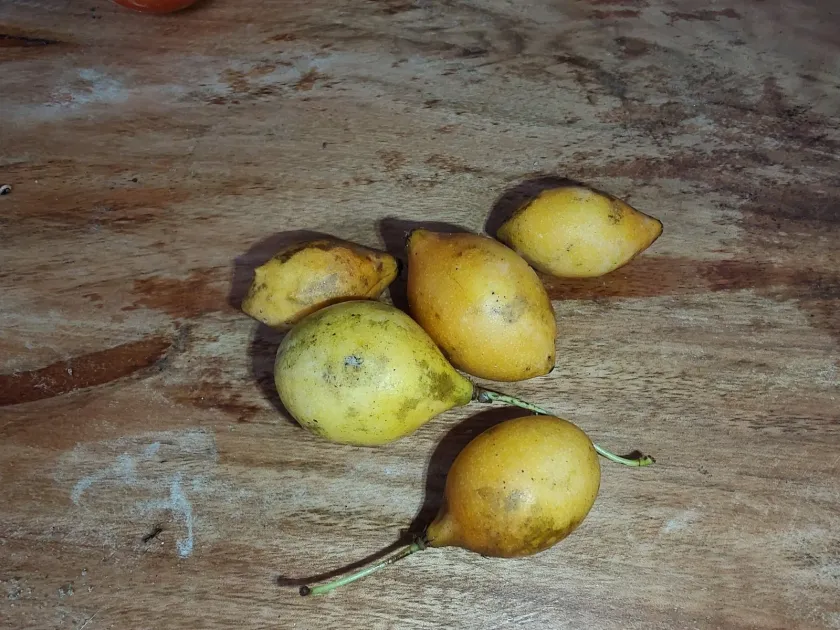
Description
Growing requirements
Garcinia gardneriana is a tropical fruit-bearing tree belonging to the Clusiaceae family, native to the rainforests of South America, particularly the Amazon basin.
The species thrives in a tropical climate characterized by consistently high humidity and temperatures that do not drop significantly throughout the year.
For successful growth, it requires deep, nutrient-rich soils with excellent drainage, as the roots are sensitive to waterlogging and soil compaction.
Botanically, the tree is evergreen with a dense canopy and leathery, lanceolate leaves that protect it from high levels of solar radiation.
Agricultural management should include maintaining consistent moisture levels and protecting young plants from direct, intense sunlight during their establishment phase.
Yield
The fruit of Garcinia gardneriana is a flavorful, juicy berry that is highly prized in its native range for culinary applications and fresh consumption.
Yield potential is dependent on the tree's health and the management of canopy density, which facilitates better fruit set and overall development.
Harvesting techniques involve hand-picking mature fruits to avoid damage to the skin, which is relatively delicate compared to other Garcinia species.
The fruit is increasingly viewed as a niche product for regional markets, often processed into artisanal juices, jams, and traditional local delicacies.
Productive orchards often employ agroforestry techniques to mimic the natural rainforest environment, which helps in optimizing yield and tree longevity.
Main diseases and pests
The primary threats include fungal pathogens that emerge under conditions of poor air circulation and excessive moisture around the base of the tree.
Pests such as scale insects and mealybugs can cause significant damage to foliage and developing fruits, potentially reducing the market quality of the harvest.
Integrated pest management strategies focusing on biological control are recommended to maintain the ecological balance within the tropical orchard.
Nutritional deficiencies often manifest as chlorosis or stunted growth, necessitating a well-balanced fertilization program based on periodic soil testing.
Sanitation practices, including the removal of deadwood and infected plant tissue, are essential to prevent the spread of diseases within the planting area.