
Garcinia livingstonei
Garcinia livingstonei
Description
Growing requirements
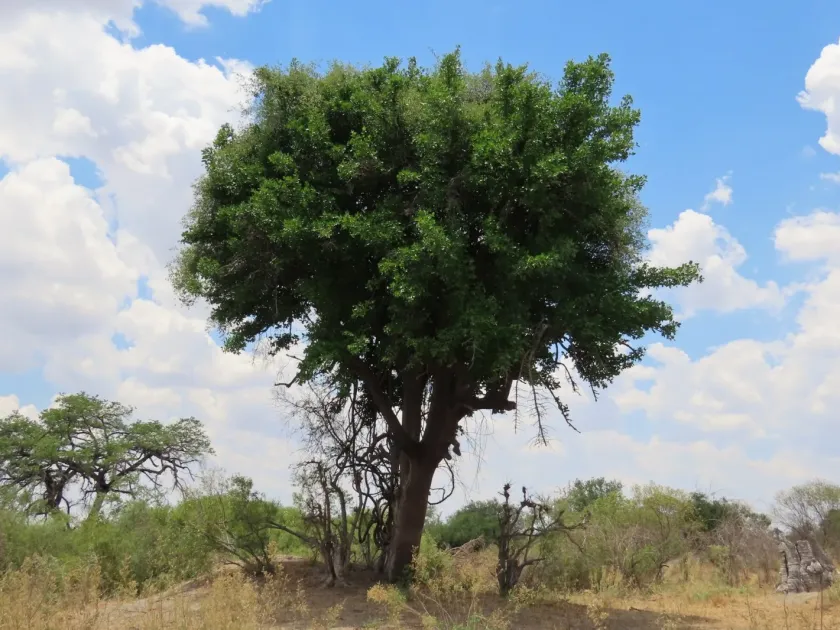
Garcinia livingstonei is a member of the Clusiaceae family, commonly known as the African mangosteen. It is an evergreen tree that can grow from 6 to 18 meters tall, often possessing a distinct, dense, and conical crown.
Originating from tropical Africa, this species is widespread across the continent. It thrives in well-drained soils, ranging from sandy to rocky types, and shows a remarkable ability to tolerate drought conditions after the establishment phase.
The tree requires a tropical climate with consistent warmth and plenty of sunshine. It is highly sensitive to frost, which limits its commercial cultivation to frost-free regions. Optimal growth temperatures range between 20°C and 30°C.
Agricultural management includes ensuring moderate soil moisture, especially for younger plants. While the tree is hardy once mature, regular application of organic fertilizers significantly enhances fruit production and overall vigor.
Propagation is typically done through seeds, though vegetative methods like grafting can be used to maintain specific tree qualities. Young trees grow slowly and require protection from harsh environmental stressors in the first few years.
Yield
The fruit of the Garcinia livingstonei is a small, bright orange to reddish berry, roughly 4 centimeters in diameter. The pulp is juicy, pleasantly tart, and provides a significant nutrient profile for local consumption.
Mature trees can produce a high volume of fruit during the harvesting season. Because the fruits are consumed locally, they play a crucial role in providing essential vitamins and minerals to rural populations.
Economic uses for this crop include fresh fruit consumption and processing into jams, jellies, and fermented beverages. Its versatility makes it a valuable plant for local food security systems in Africa.
Beyond the fruit, the wood of this tree is known for its durability and strength. It is commonly harvested for crafting tools and wooden utensils, making the tree a dual-purpose agricultural asset.
The plant is also integrated into agroforestry practices, where it serves as a shade tree and contributes to soil conservation, preventing erosion and maintaining ecological balance in its native habitat.
Main diseases and pests
Garcinia livingstonei is generally resistant to most major diseases. However, waterlogged soil can lead to root fungal issues, which are the primary threat to the plant's health in improperly managed agricultural setups.
Pests such as scale insects and mealybugs can occasionally infest the foliage, particularly if the tree is experiencing stress from drought or nutrient deficiencies. Regular monitoring is essential to detect early infestations.
Preventive maintenance, such as proper pruning, helps improve airflow through the canopy, significantly reducing the risk of fungal infections and pest colonization. A healthy tree is well-equipped to defend itself naturally.
For pest control, gardeners often employ integrated pest management strategies, including the use of neem-based oils or other mild insecticides if populations become a concern for the development of the tree.
Protecting the root collar from mechanical damage during weeding is important, as any injury to the bark can create entry points for opportunistic pathogens or soil-borne diseases.