
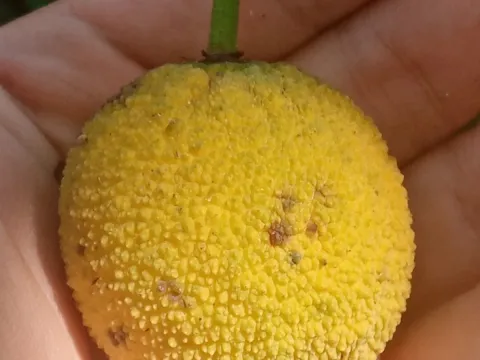
Garcinia madruno
Garcinia madruno
Garcinia madruno is propagated primarily by seeds, as cuttings require strict adherence to temperature regimes and high humidity levels.
What the section contains
Garcinia madruno
Seeds lose their viability quickly, so they should be sown immediately after extraction from a ripe fruit into a light, well-draining substrate.
The optimal time for sowing in nurseries is the beginning of the rainy season, which provides natural humidity and warmth for active root system development.
The germination process can take anywhere from a few weeks to several months due to the seed's innate biological dormancy.
An essential factor during sowing is ensuring protection from direct sunlight, as young seedlings are extremely sensitive to heat stress and soil desiccation.
Garcinia madruno belongs to the Clusiaceae family and is a typical tropical evergreen tree that requires stable high temperatures without sharp fluctuations.
The crop prefers deep, fertile, and well-drained soils with a neutral or slightly acidic pH, avoiding waterlogged conditions in the root zone.
In its native range, covering Central and South America, the tree thrives in humid tropical rainforest environments with consistent rainfall throughout the year.
The plant is heliophilous, but in its youth, it requires shading, as intense insolation can cause leaf scorch and metabolic deceleration.
Successful fruiting requires maintaining high atmospheric humidity, making the cultivation of this crop in arid regions impossible without irrigation systems.
The yield of Garcinia madruno depends directly on the tree's age and growing conditions, with fruiting occurring several years after planting in a permanent location.
The fruits have a characteristic bumpy rind, containing an aromatic, sweet-and-sour pulp that is highly prized in local culinary traditions.
Harvesting is performed manually as the fruits reach the characteristic color indicating their biological maturity.
The tree can fruit multiple times per year, provided there are favorable climatic factors and no prolonged periods of drought.
While the productivity of an adult tree is significant, the fruits have low shelf life, which limits export potential and restricts them to local markets.
The primary threats to the crop include fungal infections that affect the root system under conditions of poor soil aeration or excessive watering.
Pests such as scale insects and mealybugs can colonize young shoots and leaves, sucking sap and significantly weakening the plant's immunity.
Leaf-chewing insects can cause damage to foliage, which reduces photosynthetic activity and consequently leads to a decrease in fruit set.
Disease prevention consists of adhering to agricultural standards, such as proper spacing during planting, regular sanitary pruning, and maintaining clean root zones.
If outbreaks occur, it is recommended to use systemic insecticides and fungicides approved for use on tropical fruit-bearing trees.