
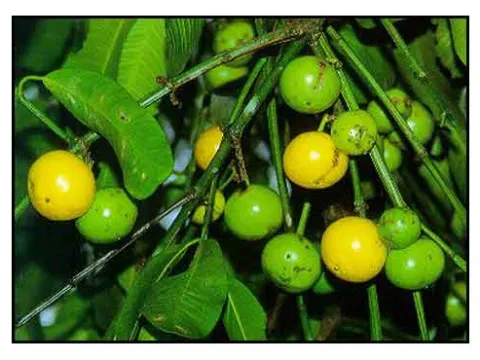
Garcinia dulcis
Garcinia dulcis
Garcinia dulcis, commonly known as the monkey fruit or yellow mangosteen, is an evergreen tropical tree belonging to the Clusiaceae family. It typically grows to a height of 10 to 12 meters, displaying a dense, attractive canopy with thick, leathery leaves.
What the section contains
Garcinia dulcis
The species is native to Southeast Asia, including parts of Indonesia, the Philippines, and Thailand. It thrives in humid tropical rainforest environments and is well-adapted to warm, stable climates throughout the year.
The plant requires deep, fertile, and well-drained soils rich in organic matter to thrive. Consistent soil moisture is crucial, as the tree is intolerant to prolonged droughts, which can stunt growth and reduce fruit quality significantly.
Climatic requirements are strict: the tree requires high temperatures and humidity and is completely intolerant of frost or cold winds. It is best suited for cultivation in regions where seasonal temperature fluctuations are minimal.
Cultivation practices involve regular fertilization and protection of young trees from direct, harsh sunlight. Proper spacing is essential to ensure adequate airflow within the canopy, which helps maintain the overall health of the tree.
The primary economic use of Garcinia dulcis is its fruit, which features a bright yellow rind and sweet, fibrous, and aromatic pulp. These fruits are highly valued in local markets within their natural range.
Beyond its culinary appeal, the plant has medicinal applications. The bark and fruit contain bioactive compounds with potential anti-inflammatory and antioxidant properties, which are being studied for further pharmaceutical use.
The wood of the tree is known for its durability and high density, making it a viable material for carpentry and the creation of fine household items. However, harvesting the tree for timber is secondary to its value as a fruit producer.
Harvesting requires careful handling, as the ripe fruit is delicate and bruises easily. Due to its short shelf life, commercial distribution is typically limited to local or regional markets rather than long-distance export.
An adult tree can be quite productive, providing significant yields if grown in optimal conditions. Sustainable harvesting practices ensure the tree continues to bear fruit annually for many decades, maintaining its status as a vital subsistence crop.
The main threats to Garcinia dulcis include various fungal infections, which are often exacerbated by poor soil drainage and excessive humidity. Regular canopy thinning is recommended to improve air circulation and reduce disease pressure.
Common insect pests include scale insects and aphids, which target young foliage and stems. Vigilant monitoring and the use of insecticidal soaps can manage these populations effectively without damaging the fruit quality.
Physical damage to the bark or branches can serve as an entry point for pathogens. It is important to treat all pruning wounds with suitable sealants to prevent rot and secondary infections that could weaken the tree.
Integrated pest management (IPM) strategies, including the introduction of beneficial predatory insects, are preferred for organic cultivation. This approach maintains a healthy ecosystem in the orchard and reduces the need for harsh chemicals.
Overall plant resilience is largely determined by the quality of site selection and the consistency of the irrigation regime. A well-nourished tree, growing in ideal environmental conditions, shows remarkable ability to withstand common agricultural stressors.