
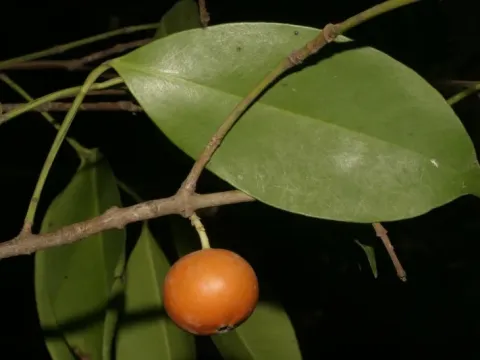
Garcinia epunctata
Garcinia epunctata
Garcinia epunctata is a perennial plant species belonging to the Clusiaceae family. It is native to the tropical rainforests of Central and West Africa, thriving in humid environments with high precipitation levels.
What the section contains
Garcinia epunctata
The tree prefers a shaded habitat, typically found within the forest understory where it is protected from intense, direct solar radiation. Constant temperatures and high air humidity are essential for its physiological processes.
Regarding soil requirements, it favors well-drained, nutrient-rich soils with a high content of organic matter. The tree is sensitive to waterlogged conditions, which can lead to root degradation and stunted growth.
Botanically, this species is recognized by its evergreen foliage and a relatively slow growth rate. It plays a significant role in its native ecosystem by providing shade and maintaining soil structure.
Economically, Garcinia epunctata is widely known in its native regions for its pharmacological properties. Parts of the bark and fruit are used in traditional medicine, and the timber is valued for its durability.
Common threats to this species include various fungal pathogens that flourish in high-humidity tropical conditions. These pathogens can cause leaf spots and limb decay, particularly in weakened trees.
Insects and other tropical pests pose a constant threat to foliage and young stems. Severe infestations can reduce the photosynthetic capacity of the plant and hinder its development.
Overharvesting of the bark for medicinal purposes remains a critical challenge for the preservation of wild stands. Sustainable harvesting techniques are necessary to prevent the depletion of local resources.
Deforestation and habitat fragmentation significantly impact the population density of this plant. Protecting the existing forest canopy is vital for the long-term survival of Garcinia epunctata.
Management of these threats is mainly based on integrated forest protection practices, focusing on avoiding stress to the trees and monitoring early signs of biological attacks.