
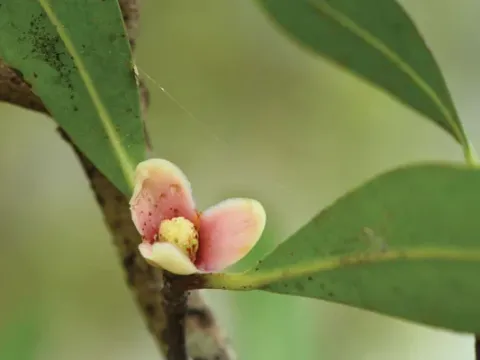
Garcinia cochinchinensis
Garcinia cochinchensis
Garcinia cochinchinensis belongs to the Clusiaceae family. It is an evergreen tree native to the tropical forests of Southeast Asia, thriving in regions with high biodiversity.
What the section contains
Garcinia cochinchinensis
The plant demands a strictly tropical climate with consistent temperatures throughout the year. It lacks cold hardiness and must be protected from any exposure to frost.
The soil should be deep, fertile, and well-drained. Loamy soils with an organic matter content are ideal, provided there is no risk of waterlogging, which causes root decay.
High relative humidity is essential for the healthy development of the foliage. In areas with periodic dry spells, supplemental irrigation is required to maintain plant vigor.
Light management is crucial; while mature trees can tolerate full sun, juvenile plants require partial shade to avoid transpiration stress and leaf scorch.
The main commercial value lies in the fruit, which is highly appreciated locally for its distinct flavor and culinary applications in desserts and traditional dishes.
Secondary use involves the extraction of phytochemicals, particularly xanthones, which are studied for their pharmacological potential and antioxidant properties.
The timber of this species is valued for its durability and resistance to biological decay, making it suitable for local construction and high-quality woodwork.
In agroforestry systems, this tree serves as a stabilizer for soil, preventing erosion while providing a multi-story canopy that supports micro-ecosystems.
Successful production relies on proper density management, allowing enough space for crown development to maximize the fruit-bearing surface area.
Fruit flies represent a primary pest threat, potentially damaging large portions of the harvest if not managed through integrated pest control measures.
Fungal pathogens are common during periods of excessive rainfall. They often manifest as leaf spots or bark rot if the plantation density is too high.
Weed management is vital in the early stages of growth to ensure the plant does not lose its access to essential nutrients and water resources.
Nutrient deficiency, specifically of micronutrients, can lead to chlorosis, requiring regular monitoring of leaf tissue and targeted fertilizer application.
Root rot caused by poor soil drainage remains a major risk, as it often goes undetected until significant structural damage to the tree has already occurred.