
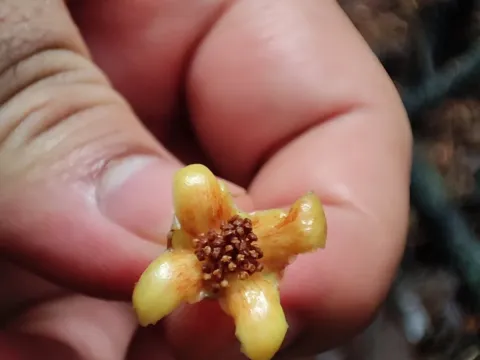
Garcinia cowa
Garcinia cowa
Garcinia cowa is an evergreen tree belonging to the Clusiaceae family. Known for its edible fruits and medicinal properties, this species is native to the tropical regions of Southeast Asia, including India, Myanmar, Thailand, and Vietnam.
What the section contains
Garcinia cowa
The tree typically grows in tropical evergreen forests and is well-adapted to humid environments. It performs best in regions with high precipitation levels and consistent temperatures, showing sensitivity to prolonged drought conditions.
Ideal soil for Garcinia cowa consists of deep, fertile, and well-drained loams. The tree thrives in acidic to neutral soil environments, and ensuring adequate drainage is essential to prevent root rot and other water-related diseases.
For successful cultivation, the trees should be planted in areas with sufficient air circulation. Although it is relatively hardy, young trees require protection from strong winds that can damage tender foliage and flowers.
Agricultural management includes regular fertilization using organic matter to maintain soil health. Pruning is also necessary to maintain an open canopy structure, which facilitates easier harvesting and improves overall tree health.
The fruits of Garcinia cowa are globular, orange-yellow when ripe, and known for their distinctively tart flavor. They are widely used in culinary applications, serving as a key ingredient in sour curries, sauces, and traditional local dishes.
Yield varies significantly based on the tree's age, maturity, and the level of care provided. Once a tree reaches maturity, it can produce a substantial amount of fruit throughout the harvest season.
Beyond the fruits, the young leaves of the tree are also consumed as a vegetable. They are prized for their unique flavor and are frequently used in regional cuisines as a salad ingredient or cooked in various recipes.
The bark and roots of the tree are rich in xanthones and other bioactive compounds. These components have garnered interest from the pharmaceutical industry for their potential anti-inflammatory and antioxidant properties.
As interest in exotic functional foods grows globally, Garcinia cowa presents potential for development as a specialty crop, particularly for markets seeking unique tropical flavors and natural medicinal products.
Fungal pathogens represent the primary threat to Garcinia cowa, especially in regions with high humidity. Proper canopy management and maintaining cleanliness around the base of the tree are essential preventive measures.
Common pests like mealybugs and aphids can infest young shoots, affecting the plant's growth. Integrated pest management, focusing on biological controls and regular monitoring, is recommended to manage these threats effectively.
Nematodes in the soil can pose a significant challenge, particularly on poorly managed sites. Improving soil structure through the application of compost and maintaining organic matter levels can help mitigate nematode pressure.
Weed management is critical during the initial years of the tree's development. Keeping the base of the tree free from competitive vegetation allows it to establish a strong root system and reach maturity faster.
Environmental stress, such as nutrient deficiencies or prolonged waterlogging, can make the trees more susceptible to opportunistic diseases. Balanced nutrition is vital to maintaining the plant's overall resistance to pests and pathogens.
Harvesting is performed manually as the fruits reach biological maturity. Careful handling is required during the collection process, as the skin of the fruit is delicate and easily bruised, which impacts shelf life.
Post-harvest handling should involve keeping the fruit in cool, well-ventilated areas. Due to the limited storage life of fresh Garcinia cowa, rapid processing into purees, dried products, or extracts is common in commercial operations.
Leaf harvesting is done throughout the growing season. To ensure sustainability, harvesters should selectively pick leaves to avoid overstressing the plant and to allow sufficient foliage to remain for ongoing photosynthesis.
For medicinal purposes, the harvest of bark and root materials is done with care to ensure the longevity of the tree. Sustainable harvesting practices are strictly followed to preserve the population of these valuable trees.
Efficient logistics and timing are key to maintaining the high quality of the final product. Proper coordination between field harvest and processing facilities is essential to preserve the biological integrity of the harvested material.