
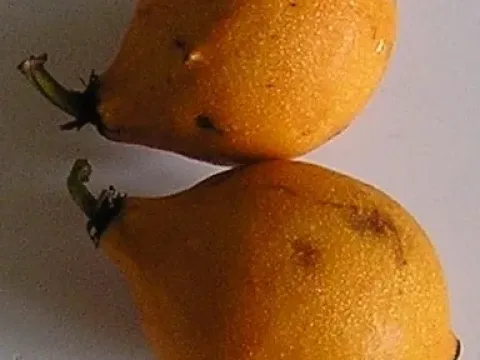
Garcinia acuminata
Garcinia acuminata
Garcinia acuminata is a member of the Clusiaceae family. It is a perennial tropical tree native to the rainforests of South America, thriving in regions with high precipitation and high humidity throughout the entire growing season.
What the section contains
Garcinia acuminata
This crop requires a tropical climate with temperatures consistently ranging from 22 to 30 degrees Celsius. It is highly sensitive to frost, which makes its cultivation limited to specific tropical zones or controlled greenhouse environments.
The ideal soil for this species is deep, well-drained, and rich in organic matter. A slightly acidic to neutral soil pH is preferred to ensure optimal nutrient uptake and root system development.
In terms of light, juvenile trees require shade to mimic the canopy layer of their native habitat. As they mature, their tolerance to sunlight increases, but protection from direct midday heat is generally recommended.
Regular irrigation is essential, especially during the establishment phase. The soil should remain consistently moist, but waterlogging must be avoided to prevent root diseases.
The primary agricultural use of Garcinia acuminata involves harvesting its edible fruits, which are popular in local markets for their unique flavor and nutritional profile.
Beyond the fruit, the wood of this tree is known for its durability and resistance to decay, making it a valuable material for local carpentry and small-scale construction.
The plant also contains secondary metabolites that are of interest in biochemical research for their potential medicinal properties and applications in health products.
Yield capacity is influenced by the genetic quality of the tree, the level of soil fertility, and the overall management of the plantation system.
While productivity is initially low, mature trees offer a consistent harvest if managed with appropriate fertilization and regular maintenance throughout the year.
Fungal pathogens represent the most significant threat to Garcinia acuminata, particularly those affecting the root system when drainage is compromised.
Insect pests, such as aphids, mites, and various fruit flies, can cause significant damage to young leaves and fruit development, impacting overall harvest volume.
Cultural control measures, such as proper spacing between trees and the removal of infected plant debris, are fundamental for disease prevention in tropical orchards.
Integrated pest management strategies are advised, prioritizing biological controls over broad-spectrum synthetic pesticides to protect the local ecosystem.
Ongoing monitoring for signs of stress or infestation is critical, as early detection allows for corrective measures before the health of the tree is permanently compromised.