
Garcinia buchananii
Garcinia buchananii
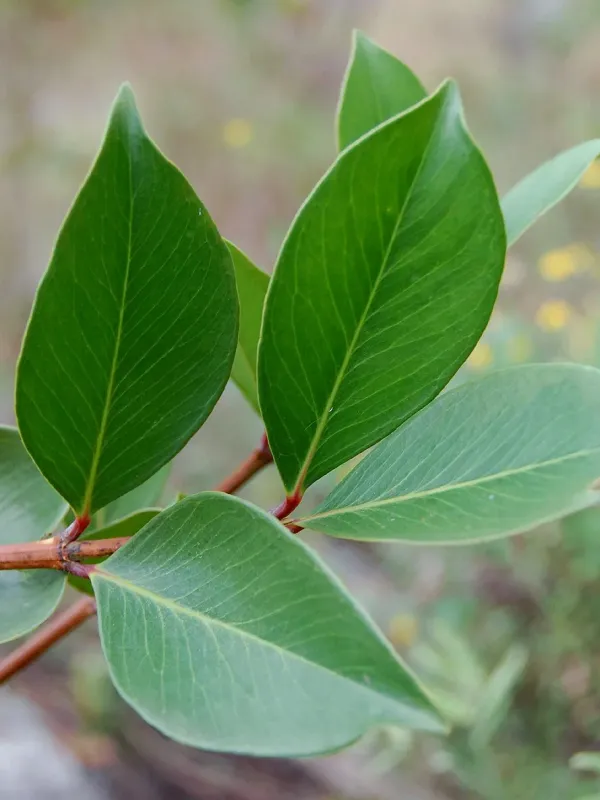
Description
Growing requirements
Garcinia buchananii belongs to the Clusiaceae family. It is an evergreen woody species characterized by a dense canopy and slow growth rate, common in tropical African landscapes.
The origin of this species is traced to the humid tropical regions of Africa. It thrives in environments where rainfall is consistent and temperatures remain high throughout the year.
Cultivation requires well-drained, nutrient-rich soils. While the plant can adapt to various soil types, it performs best in deep, loamy soils that retain moisture without becoming waterlogged.
Light requirements are significant; while young trees appreciate filtered sunlight, mature specimens require full sun exposure to maximize fruit production and healthy canopy development.
Economically, the species is valued for its edible fruits consumed by local populations. It is also recognized for its ecological contribution in providing habitat and food for native tropical wildlife.
Main diseases and pests
The primary threats to this culture are fungal diseases, which often manifest as leaf spots or stem rot when humidity levels remain excessively high without adequate air circulation.
Pests such as mealybugs, scales, and mites are common in tropical orchard settings. These insects feed on plant sap and can cause significant foliage damage if left unchecked.
Management of these threats involves proactive agricultural practices, such as ensuring proper tree spacing and regular monitoring of foliage for signs of pest infestations.
Pruning is essential not only for fruit access but also for maintaining canopy hygiene, which reduces the accumulation of debris and moisture that could attract pathogens.
Integrated pest management, including the use of neem-based oils or other biological controls, is highly recommended to maintain orchard health while preserving fruit quality for consumption.