
Garcinia atroviridis
Garcinia atroviridis
Description
Sowing dates
Garcinia atroviridis is a tropical evergreen tree propagated primarily by seeds. Since the seeds have short viability, they must be sown immediately after being extracted from the ripe fruit.
Successful germination requires a loose, nutrient-rich soil mix with excellent drainage. The optimal temperature for sprouting is between 25–28°C, maintained under high humidity conditions.
Young seedlings are sensitive to direct sunlight and should be kept in a shaded environment during their first few months. Transplanting to the permanent site is performed when the plant reaches 30–40 cm in height.
Proper preparation of planting holes, including the addition of compost or well-rotted manure, is crucial for the establishment of the root system. Spacing should allow for adequate air circulation.
Commercial plantations often employ grafting techniques to ensure genetic consistency and accelerate the maturation process compared to trees grown from seed.
Growing requirements
This species belongs to the Clusiaceae family and thrives in the humid tropical climates of Southeast Asia. It requires consistently high temperatures without significant seasonal fluctuations.
The plant prefers deep loamy or sandy soils with an acidic to slightly acidic pH. While it appreciates moisture, well-draining soil is essential to prevent root rot and anaerobic conditions.
Garcinia atroviridis grows best in areas with bright, diffused light. Intense direct sunlight may be acceptable for mature trees, but shade is beneficial during the early growth stages.
Regular irrigation is vital during the establishment phase, as the root system is sensitive to desiccation. Mature trees can handle temporary dry spells but perform best with consistent water availability.
High relative humidity, ideally above 70%, is necessary for healthy development. In regions with dry periods, supplemental misting or drip irrigation systems should be implemented.
Yield
Trees grown from seeds typically begin to fruit between 6 and 10 years of age. Grafted trees can produce a harvest much earlier, often within 4 to 5 years after planting.
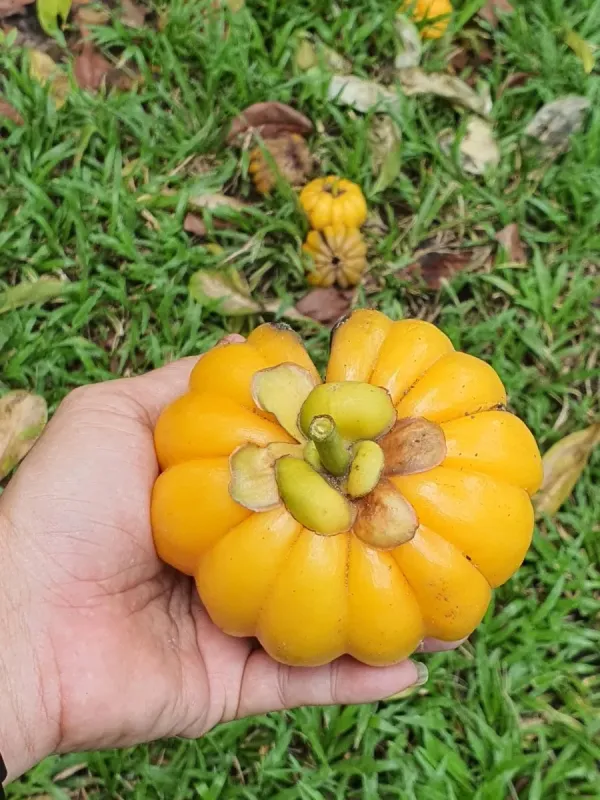
The fruits are large, bright yellow berries with a distinct sour flavor, primarily used in local culinary applications for soups, curries, and traditional medicinal preparations.
The yield of a mature tree depends on environmental factors, soil quality, and management practices. Productive trees can yield dozens of kilograms of fruit per season.
In addition to the fruit, the leaves are also consumed, providing farmers with an additional source of income and utility throughout the year.
Consistent yield depends on regular fertilization, focusing on potassium and phosphorus to support flowering and fruit development during the active season.
Main diseases and pests
Garcinia atroviridis possesses natural chemical defenses, making it relatively resistant to many pests. However, scale insects can become an issue in overcrowded, poorly maintained groves.
Fungal infections of the root system are the most significant threat, typically caused by waterlogged soil. Proper drainage and soil management are the primary defenses against these diseases.
Leaf-eating insects can damage young foliage during periods of rapid growth. Integrated pest management, including biological controls and pruning, is recommended.
Powdery mildew may occur if air circulation within the canopy is insufficient. Regular pruning to thin out the branches is essential for maintaining plant health.
Sanitation practices, such as removing fallen leaves and decaying fruit from the orchard floor, are critical for preventing the spread of fungal and bacterial pathogens.
Harvesting
Harvesting is a manual process performed when the fruits reach their characteristic bright yellow color and firm texture, signaling full maturity.
A common post-harvest practice is slicing the fruits and sun-drying them. These dried slices have a long shelf life and are widely traded as a culinary spice.
Care must be taken during harvest to avoid skin abrasions, as damage to the fruit increases the rate of spoilage. Fruits are typically harvested progressively as they ripen.
Young, tender leaves are harvested throughout the year and are considered a valuable culinary ingredient in various regional cuisines.
Harvested products require immediate post-harvest handling, including cooling or processing, to preserve the organic acids and flavor profiles that give the crop its value.