
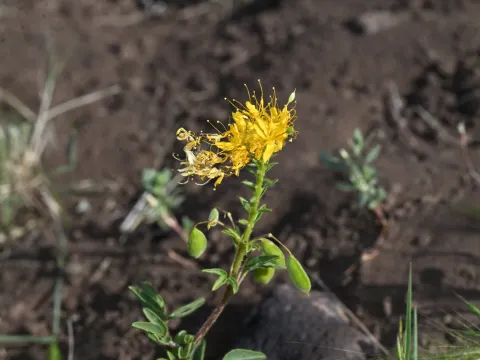
Cleome platycarpa
Cleome platycarpa
Cleome platycarpa is a specialized crop belonging to the Cleomaceae family, historically associated with dry and semi-arid environments. Understanding its physiological needs is essential for successful agricultural integration.
What the section contains
Cleome platycarpa
Sowing should occur only after the soil has thoroughly warmed, as the seeds require stable temperatures of at least 15–18 degrees Celsius to trigger germination. Early planting in cold soils usually results in uneven stands and increased seedling mortality.
Seeds should be placed at a depth of 1 to 2 centimeters to ensure adequate moisture access while allowing sufficient aeration. Firming the soil after sowing helps maximize the capillary movement of water to the seed embryo.
The recommended row spacing is between 45 and 60 centimeters, providing the plants with enough space for root development and light exposure. Maintaining proper spacing is a critical factor in achieving uniform maturation of the seed crop.
The initial growth phase requires careful field management, particularly in controlling weeds that might compete for limited resources. Once established, the plants demonstrate a vigorous growth habit typical of their xerophytic origins.
This species thrives in well-drained, light-textured soils such as sandy loams. Soil aeration is paramount, as the species is highly susceptible to root-related stress caused by waterlogging or compacted clay substrates.
Full sun exposure is mandatory for optimal development. Cleome platycarpa acts as a sun-loving plant, and any reduction in light intensity results in etiolated growth, weaker stems, and significantly lower reproductive success.
While the crop is naturally adapted to drought, supplemental irrigation during the peak flowering and seed-set stages can substantially increase the final yield. The goal is to provide consistent moisture without inducing soil saturation.
Fertility management should focus on a balanced NPK ratio. Excessive nitrogen application is discouraged, as it promotes excessive vegetative growth at the expense of seed production and increases the plant's susceptibility to mechanical damage.
The species requires a long, frost-free growing season to complete its life cycle. It is sensitive to thermal fluctuations, and even minor frost events can terminate the vegetative cycle of the crop prematurely.
Root rot, driven by excessive moisture and poor soil drainage, is the primary biological threat to the crop. Preventive strategies include site selection and strictly avoiding water-saturated fields.
Foliar pests, including aphids and various coleopterans, can cause damage by feeding on leaves and stems. This damage reduces the overall photosynthetic capacity of the plants, which often correlates with lower seed yields.
Powdery mildew is a common concern in conditions with high nocturnal humidity and poor air circulation. Improving planting density and ensuring adequate plant spacing helps reduce the risk of disease outbreaks.
Monitoring the field during the budding and flowering stages is crucial, as this is when pest and disease pressures are typically at their highest. Integrated pest management practices should be employed to protect the crop.
Effective weed management is necessary to prevent the buildup of pest reservoirs within the field. Maintaining a clean field environment promotes stronger crop growth and simplifies the eventual harvesting process.