
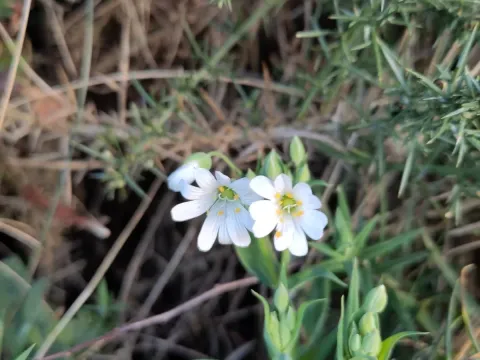
Stellaria holostea
Stellaria holostea
Stellaria holostea, commonly known as greater stitchwort, belongs to the Caryophyllaceae family. It is a perennial herbaceous plant characterized by creeping rhizomes and slender, square-sectioned stems that allow it to spread across forest floors effectively.
What the section contains
Stellaria holostea
The plant thrives in moist, fertile, and well-drained soils. It prefers neutral to slightly acidic pH levels, reflecting its native habitat in woodland clearings, hedgerows, and mixed deciduous forests across Europe and Western Asia.
Light requirements for this species are focused on partial shade. While it can tolerate deeper shade, it produces a more abundant floral display when exposed to dappled sunlight throughout the spring growth cycle.
The species is highly resilient to cold climates, having evolved in temperate zones. It enters a dormant state during extreme winter temperatures and resumes vigorous growth as soon as soil conditions improve in early spring.
Agrotechnical maintenance includes ensuring proper soil structure and preventing the area from becoming overly dry. Organic mulch can be applied to mimic the natural forest litter layer, which helps retain moisture and provides essential nutrients.
Stellaria holostea is generally resistant to serious infestations, but like many forest perennials, it can be susceptible to fungal infections if planted in stagnant or overly humid conditions, leading to leaf spot or mildew.
Gastropods, such as slugs and snails, represent the primary threat to young shoots during the growing season. Their feeding damage is most noticeable in damp, cool springs when the plant is establishing its foliage.
Aphids occasionally colonize the soft tips of the stems, especially during periods of stress. While usually not fatal, heavy infestation can weaken the plant and reduce its aesthetic value in garden settings.
Root rot is a potential risk associated with waterlogged soil. Proper drainage is crucial to maintaining the health of the rhizomatous system, as standing water inhibits root respiration and encourages pathogenic soil microbes.
Integrated pest management, including encouraging natural predators like ground beetles and minimizing the use of synthetic pesticides, is recommended to keep the plant healthy and maintain the surrounding ecological balance.