
Stellaria irrigua
Stellaria irrigua
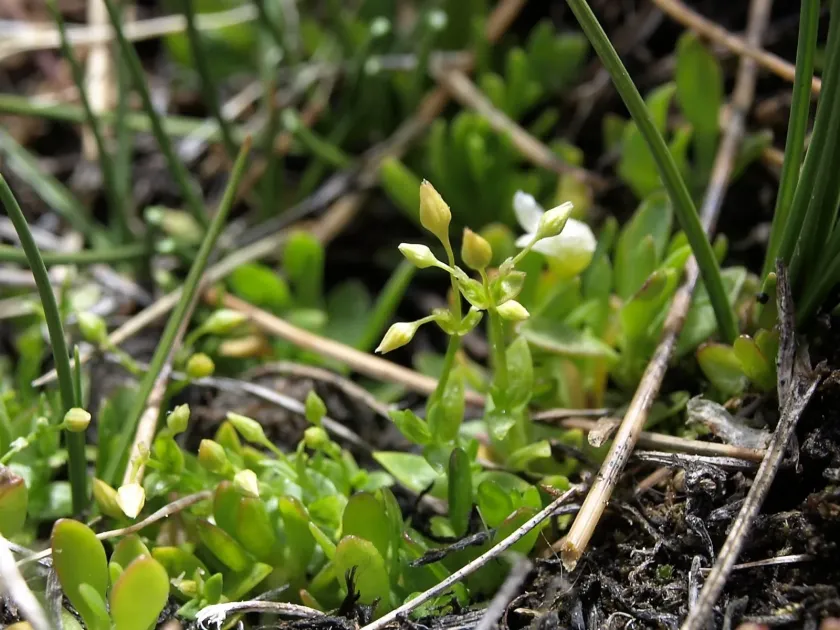
Description
Sowing dates
Stellaria irrigua is a herbaceous perennial plant belonging to the Caryophyllaceae family. Known for its affinity to moist environments, this crop displays significant biological resilience and vegetative growth potential.
Sowing should ideally occur in early spring, as soon as soil temperatures allow for consistent germination. A soil temperature of approximately 8-10 degrees Celsius is optimal for establishment.
Seeds require shallow placement, ideally at a depth of 1-2 centimeters. Proper seed-to-soil contact is essential for uniform emergence, often requiring post-sowing rolling of the field.
The plant demonstrates a rapid development of its root system, which necessitates a well-prepared seedbed free from compacted soil layers. Early irrigation is critical to sustain young seedlings.
Row spacing should be determined based on the intended purpose—either for seed production or green biomass harvest. Optimal spacing ensures sufficient airflow and reduces the risk of fungal diseases.
Growing requirements
The name itself points to the plant's high water requirements. Stellaria irrigua thrives in areas with high moisture availability or under systematic irrigation management throughout the season.
The plant prefers fertile, well-draining loamy soils with a neutral pH. While it can handle slight variations in soil acidity, it performs best in stable, nutrient-rich environments.
Adequate sunlight is essential for optimal growth, although the species can tolerate partial shade. Full exposure generally leads to higher biomass production and improved nutritional content.
Soil aeration is critical to prevent water stagnation, which can lead to root suffocation. Regular monitoring of moisture levels is the cornerstone of successful management.
The species exhibits strong cold hardiness, allowing it to withstand winter conditions effectively. This makes it a reliable perennial option for various climate-controlled regions.
Yield
Biomass production is highly dependent on effective irrigation and nutrient management. Multiple cuts can be achieved within a single growing season under optimal management conditions.
The first harvest should be executed at the onset of flowering, which ensures the highest possible concentration of biomass and nutritional value for forage purposes.
Following a cut, the application of nitrogen-based fertilizers can significantly boost regrowth speed. This allows for subsequent cuts to be made every 30 to 45 days during the peak season.
Plantation longevity is a key economic benefit, with the crop remaining productive for several years. Proper maintenance and fertility management are required to prevent yield decline.
Properly harvested and dried biomass provides excellent nutritional value, making it a viable component in modern sustainable farming and forage rotation programs.
Main diseases and pests
Fungal pathogens, particularly those thriving in high humidity, represent the primary threat to Stellaria irrigua. Root rots and leaf spots require diligent scouting and intervention.
Insects such as leaf-eating beetles can cause significant damage to young plants. Implementing integrated pest management strategies, including the use of biocontrol, is recommended.
Overcrowding of plants often exacerbates the risk of disease spread. Proper thinning and maintaining optimal row distance are effective preventive measures for healthier stands.
Stagnant water must be avoided to prevent mildew development. Improving field drainage is often more effective than chemical control in mitigating these threats.
Weed control is critical during the first year of establishment. Mechanical weeding is preferred to minimize the use of herbicides, ensuring the purity of the crop for forage.
Harvesting
Mechanized harvest is standard for Stellaria irrigua, using specialized mowers to ensure a clean cut. The height of the cut is vital to preserve the crown for subsequent regrowth.
For seed production, harvesting must coincide with the peak of maturity, just before the seeds begin to shatter naturally. Timing is precise to prevent significant yield losses.
Post-harvest handling requires immediate cooling or drying of the biomass. High-moisture material is prone to rapid fermentation and self-heating, which compromises quality.
Storage should be conducted in well-ventilated structures. Keeping moisture content below 14 percent is necessary to ensure long-term stability and shelf life of the harvested product.
Planning the harvest schedule in alignment with weather patterns ensures maximum drying efficiency and allows for better coordination with overall farm operational requirements.