
Stellaria filicaulis
Stellaria filicaulis
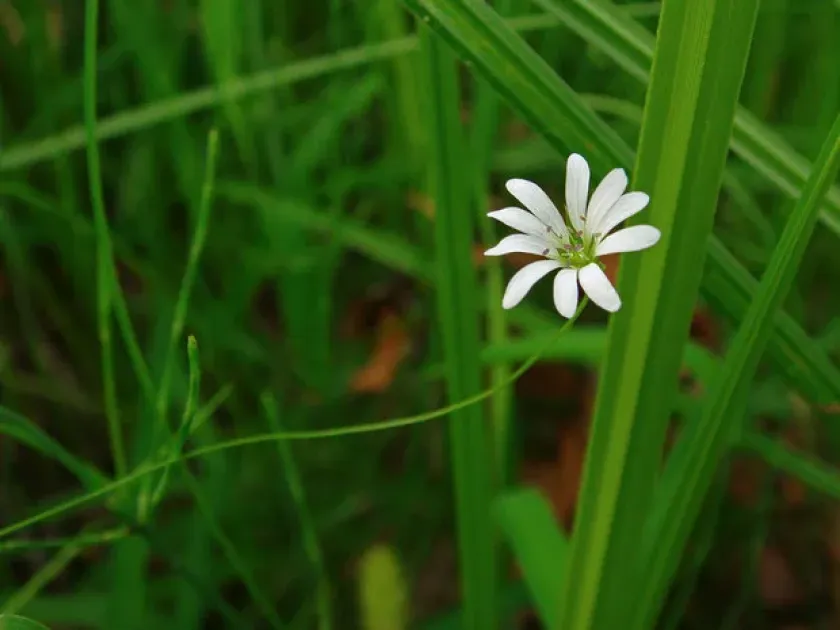
Description
Growing requirements
Stellaria filicaulis is a perennial herbaceous plant belonging to the Caryophyllaceae family. Known for its slender, thread-like stems, this species is well-adapted to the specialized conditions of subalpine and alpine mountain zones.
Its natural distribution is primarily found in the mountainous regions of Eurasia, where it thrives in cool, moist, and well-drained environments. It typically grows near small streams, on stony screes, and along the margins of meadows.
The botanical structure of the plant is marked by its delicate foliage and thin stems that allow it to weave through other vegetation. Its root system is relatively shallow, reflecting its dependency on consistent soil moisture throughout the growing season.
In terms of climatic needs, the species requires temperate conditions with sufficient humidity. It does not tolerate prolonged drought or extreme heat, which can quickly lead to the desiccation of its thin, tender stems.
From an agricultural perspective, Stellaria filicaulis contributes to the biodiversity of mountain pastures. It serves as a natural forage component, providing essential nutrients for grazing livestock in high-altitude landscapes.
Main diseases and pests
The plant is susceptible to various fungal pathogens, specifically those that thrive in humid environments, such as leaf spot diseases and rust fungi, which can compromise the structural integrity of the stems.
Pest populations that typically affect this species include aphids and small leaf-feeding insects. These pests can cause significant localized damage, particularly when environmental stress reduces the plant's natural resistance.
Overgrazing poses a major threat to the survival of the species in its natural habitat, as its delicate structure is easily damaged by trampling and excessive consumption by ruminants.
Competition from more aggressive weed species and invasive grasses can lead to the displacement of Stellaria filicaulis in meadows subjected to human impact or changes in land management.
Effective management requires maintaining balanced stocking rates and monitoring the health of the surrounding ecosystem to ensure the persistence of this valuable mountain plant species.