
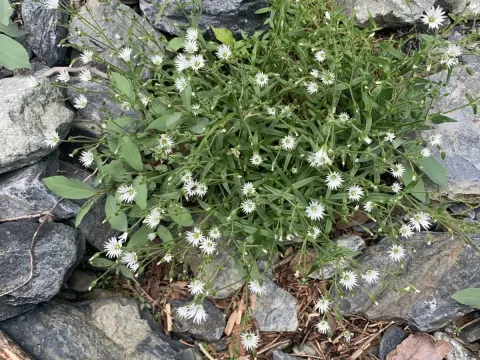
Stellaria nipponica
Stellaria nipponica
Stellaria nipponica, commonly known as a type of alpine starwort, is a herbaceous perennial belonging to the Caryophyllaceae family. The plant is native to the high-altitude regions of Japan, where it has evolved to thrive in harsh, stony environments, such as alpine screes and rocky slopes.
What the section contains
Stellaria nipponica
Botanically, this species is defined by its compact, cushion-like growth habit, which protects it from extreme alpine winds and temperature fluctuations. It produces small, white, star-shaped flowers that bloom in typical high-altitude conditions, showcasing the resilience of the genus Stellaria.
The cultivation of Stellaria nipponica requires strict adherence to soil moisture management. It demands well-draining, nutrient-poor substrates composed primarily of grit, gravel, or sand. High levels of organic matter in the soil can lead to rapid decay of the root system.
Climatic requirements focus on a need for cool ambient temperatures and significant exposure to sunlight. In low-altitude gardens, providing optimal airflow is essential to prevent heat buildup, as the plant is specifically adapted to the cooler, thinner air of mountain environments.
The standard agricultural practice for this plant involves mimicking natural alpine conditions: minimal irrigation, no excessive fertilization, and protecting the crown from dampness. Propagating the plant can be achieved through division or careful seed sowing, ensuring the stratification requirements are met.
Fungal diseases are the primary threat to the health of Stellaria nipponica. These pathogens, particularly root and crown rots, are almost exclusively linked to poor drainage or overly humid environmental conditions that keep the foliage damp for too long.
Common pests include slugs and snails, which find the tight cushions of the plant to be an attractive food source and shelter. In controlled or greenhouse conditions, aphids may occasionally infest the plant, causing stress and reducing its vigor during the active growing season.
Preventive measures include the application of a gravel mulch around the base of the plant to keep the foliage elevated and dry. This technique is vital in gardens where humidity is higher than in the plant's native mountain habitat, effectively reducing the incidence of rot.
Pest control should be managed through monitoring and mechanical removal, as the plant may be sensitive to synthetic pesticides. Maintaining a clean growing area and pruning away dead foliage helps in early detection of potential infestations or infection sites.
Success in maintaining Stellaria nipponica relies on a commitment to simulating its high-altitude environment. By prioritizing drainage, airflow, and a nutrient-poor soil medium, gardeners can successfully cultivate this unique and hardy alpine specimen for many years.