
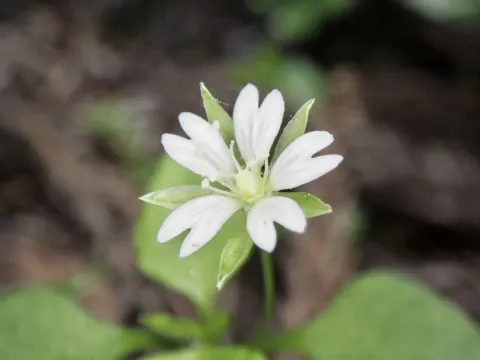
Stellaria diversiflora
Stellaria diversiflora
Stellaria diversiflora is a notable herbaceous species belonging to the Caryophyllaceae family. Known for its distinct botanical traits, this plant is primarily valued for its role in specialized plant collections and specific habitat restoration projects.
What the section contains
Stellaria diversiflora
The native range of this species extends across East Asia, predominantly in mountainous regions. It is well-adapted to cooler climates where moisture levels remain consistently high throughout the growing season, mimicking the humid forest floor environment.
Success in cultivation requires well-draining, humus-rich soil that maintains its structure over time. The plant prefers slightly acidic to neutral soil pH levels, ensuring nutrients are readily available for rapid vegetative growth during the spring.
As a shade-tolerant species, it performs best in filtered light or partial shade conditions. Exposure to direct midday sun during the summer months is generally detrimental, often leading to rapid dehydration and loss of plant vigor.
Agricultural management should focus on maintaining a steady moisture regime without causing waterlogging. Mulching the area around the plants can help regulate soil temperature and retain necessary humidity during fluctuating weather conditions.
Root rot remains the most significant threat to Stellaria diversiflora, particularly when drainage is inadequate or when the soil remains waterlogged for extended periods. Proper substrate selection is the first line of defense against such pathogens.
Pests like slugs and snails are highly attracted to the succulent-like tissues of the plant. Integrating physical barriers or targeted biological controls can effectively minimize herbivory damage without disrupting the sensitive ecosystem of the planting site.