
Stellaria monosperma
Stellaria monosperma
Description
Growing requirements
Stellaria monosperma is a herbaceous plant belonging to the Caryophyllaceae family. Known for its delicate morphology, this species typically thrives in moist, shaded environments, such as forest margins and mountainous areas, where it can access stable soil moisture throughout the growing season.
The plant requires nutrient-rich, well-drained soils with a neutral pH to reach its full vegetative potential. Its root system is relatively shallow, necessitating consistent moisture levels to prevent water stress during periods of high temperature or reduced rainfall.
Climate adaptation is a key feature of this species. It prefers temperate conditions and is sensitive to extreme heat and prolonged direct sun exposure. In managed or natural environments, it serves as an indicator of healthy, shaded soil patches with high organic matter content.
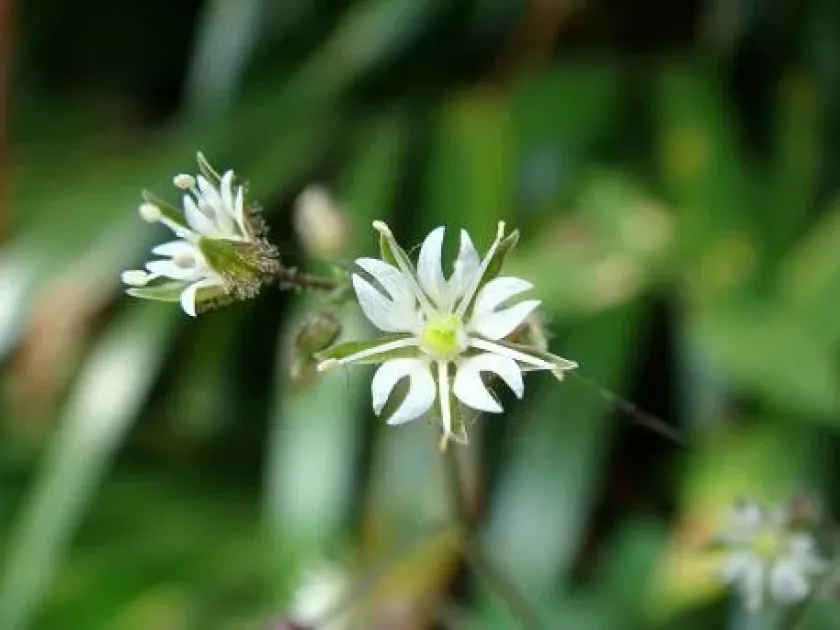
Morphologically, the plant features slender, branched stems and characteristic white flowers. The species name, monosperma, highlights its unique reproductive trait of producing a single seed per fruit, which distinguishes it from many of its more prolific relatives in the Stellaria genus.
While not a primary industrial crop, its value lies in its ecological role. It is an essential component of local biodiversity and can be utilized in landscaping projects that aim to restore natural habitats or create low-maintenance, ecologically stable ground cover in shaded garden areas.
Main diseases and pests
The most common threats to Stellaria monosperma are fungal pathogens that thrive in damp, poorly ventilated soil conditions. Root rot is a particular concern if the soil remains waterlogged for extended periods, significantly hindering the plant's nutrient uptake and overall vitality.
Pests such as aphids and spider mites can occasionally affect the plant, especially during warmer spells. These insects feed on the succulent leaves, causing chlorosis and weakening the plant, which may make it more susceptible to secondary infections or environmental stress.
Cultural management is the primary defense strategy. Ensuring adequate soil aeration and spacing between plants can prevent the development of moist microclimates that favor fungal growth. Removing surrounding debris and competing weeds helps maintain a healthy growing environment.
Monitoring the health of the population is essential for early detection of potential issues. While chemical treatments exist, they are often not necessary if the planting site is correctly chosen to match the species' ecological preferences, thereby maintaining high natural vigor.
Good agricultural practice for this species focuses on preventive care rather than curative interventions. By mimicking its natural habitat—specifically through proper irrigation and shade management—gardeners and researchers can ensure the long-term survival and health of this delicate plant.