
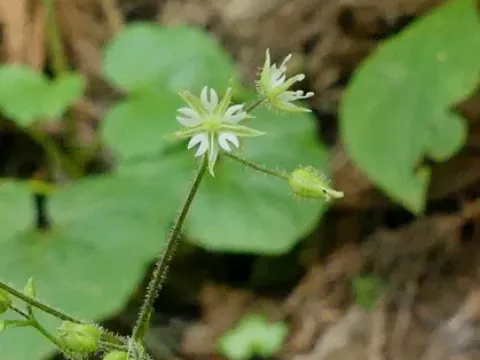
Stellaria paniculigera
Stellaria paniculigera
Stellaria paniculigera, belonging to the Caryophyllaceae family, is a herbaceous plant that thrives in temperate climate zones. Its life cycle is characterized by rapid development and efficient biomass production under favorable environmental conditions.
What the section contains
Stellaria paniculigera
The sowing process requires a well-prepared, fine-textured seedbed to ensure optimal soil contact for the small seeds. Consistent sowing depth is crucial for uniform germination across the field during the early stages of the growing season.
Ideally, sowing should occur when soil temperatures reach the 10–12 degree Celsius threshold. This timing allows the crop to establish a robust root system before the onset of peak summer temperatures, ensuring better endurance.
Proper spacing between rows is essential for the crop's development. This practice prevents overcrowding and facilitates better light penetration, which is vital for the physiological processes that drive plant growth and development.
Post-sowing maintenance includes keeping the seedbed moist until germination is complete. Careful monitoring during the first weeks after emergence is necessary to ensure the plant density meets the desired agronomic targets.
The plant performs best in loose, well-drained loamy or sandy soils with a neutral pH level. Soil structure is a critical factor, as compaction can inhibit root penetration and negatively impact the overall vigor of the crop.
Adequate water availability is paramount for sustained growth. While the plant possesses some tolerance to environmental fluctuations, consistent irrigation during dry spells ensures peak performance and prevents premature flowering or stunted growth.
Nutrient management involves a balanced application of macro and micronutrients. Nitrogen is particularly important for leaf development, while potassium helps improve plant resilience against environmental stress factors like heat or drought.
The plant prefers temperate conditions with optimal growth occurring at temperatures between 15 and 22 degrees Celsius. High-temperature events may necessitate additional moisture to maintain the plant's metabolic functions.
Regular cultivation of the soil between rows is recommended to improve aeration and moisture retention. This mechanical intervention also serves as a secondary measure to suppress weed competition effectively.
Fungal pathogens represent the primary threat to Stellaria paniculigera, particularly in high-humidity conditions. Powdery mildew can quickly affect the foliage, reducing the photosynthetic efficiency and overall yield quality of the crop.
Integrated pest management strategies, including crop rotation and the use of resistant varieties, are recommended to mitigate disease outbreaks. Regular field monitoring is essential for the early detection of any pest or disease pressure.
Aphids and leaf-chewing insects are common pests that may require attention. Chemical interventions should be applied selectively and only when thresholds are exceeded to minimize the impact on beneficial insects and the environment.
Root rots are frequently associated with poor soil drainage. Ensuring that fields are well-drained and avoiding over-irrigation are key preventative measures to keep the root systems healthy throughout the season.
Effective sanitation practices, such as removing crop debris and managing surrounding vegetation, significantly reduce the potential for infection, creating a healthier environment for the development of the crop.