
Silene villosa
Silene villosa
Silene villosa is a perennial herbaceous plant belonging to the Caryophyllaceae family. Native to the Mediterranean region and parts of North Africa, it has evolved to thrive in arid and harsh environmental conditions.
What the section contains
Silene villosa
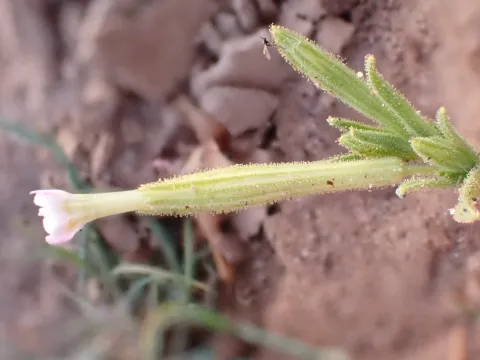
The botanical structure of the plant features fine, dense hair-like structures (villous) covering the stems and foliage. This specialized adaptation is essential for retaining moisture and protecting the plant from the drying effects of intense solar radiation.
Optimal growth requires well-draining soil, as the plant is highly susceptible to root decay in waterlogged conditions. It performs exceptionally well in sandy or rocky soils, which mimic its natural mountainous or coastal habitat.
In terms of climatic requirements, Silene villosa demands maximum sun exposure. It is a heliophilous species that loses its vigor and typical appearance when grown in shaded areas, highlighting the importance of site selection.
The plant is primarily utilized in ornamental horticulture. Its unique texture and drought tolerance make it an ideal candidate for rock gardens, dry flower beds, and xeriscaping projects where minimal maintenance is required.
Fungal diseases are the primary threat to Silene villosa, especially when drainage is poor. Root rot is a common issue caused by stagnant water, which compromises the integrity of the plant's vascular system.
Pests such as aphids and spider mites can be problematic during dry, hot spells. These insects feed on the plant sap, leading to stunted growth and yellowing of the leaves if left untreated by appropriate pest control measures.
Powdery mildew may develop in humid conditions with poor air circulation. Regular thinning of plants is recommended to promote airflow and reduce the humidity levels around the foliage.
Slugs and snails often target tender shoots in the early stages of development. Applying gravel or other sharp-textured mulch around the base of the plant can serve as an effective deterrent against these garden pests.
Maintaining plant health requires a proactive approach, including regular inspection and the immediate removal of any dead or decaying tissue to prevent the spread of opportunistic pathogens.