
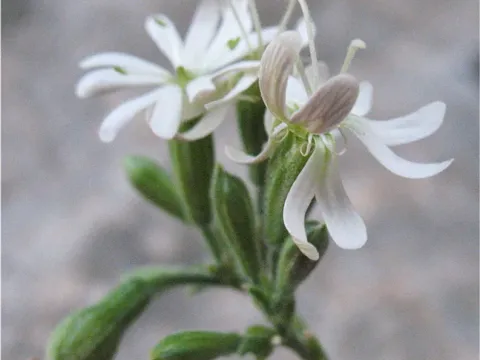
Silene velutinoides
Silene velutinoides
Silene velutinoides is a perennial herbaceous plant belonging to the Caryophyllaceae family. It is botanically characterized by a dense, velvety indumentum covering its stems and leaves, an evolutionary adaptation that protects the plant from excessive evaporation.
What the section contains
Silene velutinoides
Originating from the Mediterranean region, specifically the islands of Sardinia and Corsica, this species is naturally adapted to rocky habitats. In agricultural and horticultural practices, these environmental origins dictate its specific needs for site selection.
For successful growth, this crop requires well-drained, gritty, or sandy soils. It is intolerant of heavy, waterlogged substrates, which can lead to rapid root deterioration. Providing adequate drainage is the most crucial step in its cultivation.
Regarding climate, the plant thrives in full sun exposure. It displays significant resilience to heat and drought once established. However, during the initial phases of growth, supplemental watering is necessary to ensure the development of a robust root system.
The primary use of Silene velutinoides is in specialized ornamental horticulture. It is highly sought after for xeriscaping and rock garden designs, where its unique texture and silver-green foliage add significant aesthetic value to the landscape.
The primary pathological threats to Silene velutinoides include various fungal infections, particularly root rot caused by stagnant water in the soil. Proper site drainage acts as the first line of defense against these devastating conditions.
Powdery mildew is another common concern during humid or stagnant air conditions. This fungal disease creates a white, dusty layer on the foliage, interfering with photosynthesis and aesthetic appeal. Ensuring good airflow around the plants is essential for prevention.
Pests such as aphids and spider mites frequently target the plant, especially during hot and dry spells. These pests colonize the stems and undersides of leaves, draining the plant's resources and potentially spreading viral infections.
Integrated pest management strategies should be implemented to mitigate these risks. This includes the use of selective insecticides and, where possible, biological controls to maintain the balance of the ecosystem surrounding the crop.
Regular monitoring of the crops for signs of chlorosis or wilting is recommended for early intervention. Maintaining a clean cultivation area, free of weeds, further reduces the habitat for potential pests and soil-borne pathogens.