
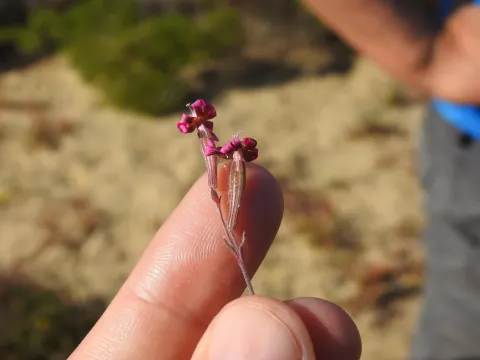
Slender campion
Silene gracilis
Silene gracilis, commonly known as the Slender campion, is a member of the Caryophyllaceae family. It is a herbaceous plant native to temperate regions, typically inhabiting open fields and meadows where sunlight is abundant.
What the section contains
Slender campion
The plant thrives in light, well-draining soils with a neutral pH level. Sandy or loamy soils are ideal for this species, as they prevent waterlogging, which is a major factor in maintaining the health of the plant's root system.
Agricultural practices for this species focus on providing high light intensity and proper moisture levels. While the plant is relatively drought-tolerant once established, regular irrigation during the early growth stages is essential for optimal development.
The species prefers moderate climatic conditions, avoiding extreme heat or freezing temperatures. It is well-suited for cultivation in temperate climates, where it can complete its lifecycle within the typical spring and summer growth periods.
The primary use of Silene gracilis is ornamental. It is widely favored by landscape architects for inclusion in rock gardens, borders, and naturalistic planting schemes due to its delicate structure and attractive appearance.
Like many species in the Caryophyllaceae family, Silene gracilis is susceptible to fungal issues if humidity levels remain too high. Botrytis and root rot are the most common concerns during wet seasons.
Pests such as aphids and spider mites can infest the foliage, particularly in dry and sheltered conditions. Integrated pest management, including regular inspection and the use of targeted treatments, is advised to keep plants healthy throughout the season.