
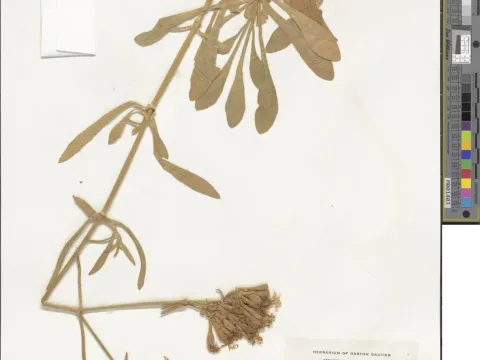
Silene velutina
Silene velutina
Silene velutina is a rare herbaceous perennial belonging to the Caryophyllaceae family, endemic to specific Mediterranean limestone regions, particularly in Sardinia and Corsica.
What the section contains
Silene velutina
Sowing should ideally occur in early spring or late autumn, allowing the seeds to undergo the necessary dormancy-breaking processes inherent to this species.
The planting medium should be light, porous, and well-aerated, mimicking the thin, rocky soils that the plant naturally occupies in the wild.
Due to the small size of the seeds, they should be surface-sown or covered with only a very thin layer of grit to ensure adequate light exposure for germination.
Maintaining a consistent environment during the germination phase is critical for the long-term establishment and viability of the seedlings.
This species requires full sun exposure to thrive, as shade significantly impairs its physiological development and may lead to stunted growth patterns.
Soil quality is paramount; Silene velutina performs best in slightly alkaline or neutral, well-drained soils that prevent any moisture retention at the root level.
Watering requirements are low, as the plant is adapted to arid conditions and sensitive to waterlogging, which often causes rapid root rot and systemic collapse.
The climate should mirror its Mediterranean origins, characterized by hot, dry summers and mild winters, which helps maintain the plant's natural health and resilience.
Good air circulation is essential for this plant to remain free from pathogens, especially in confined spaces or greenhouse environments where humidity might rise.
Fungal infections, such as powdery mildew or root rot caused by Phytophthora, represent the most significant threats to the survival of Silene velutina in cultivation.
Insect pests, including aphids and spider mites, are common nuisances that can weaken the plant by feeding on the sap of tender, growing foliage.
Soil-borne pests can also pose a risk to the root system, potentially causing premature plant death if not managed through proper sanitary cultivation practices.
Gastropods like snails and slugs frequently target the young leaves, requiring the use of physical barriers or targeted molluscicides during the seedling stage.
Integrated pest management strategies focusing on hygiene, ventilation, and early detection are essential to ensure the longevity of this rare species.
While primarily grown for botanical interest and conservation, seed collection represents the main form of harvest for this species to ensure future propagation.
Seed capsules should be harvested once they begin to dry and turn brown, indicating that the seeds inside have reached full maturity and viability.
Care must be taken during the harvesting process to prevent the loss of fine, dust-like seeds which are prone to dispersal by wind at the slightest touch.
Cleaned seeds should be stored in a cool, dry place within breathable containers to maintain their germination potential until the next sowing season.
Harvesting should be done sustainably, ensuring that a portion of the seeds is left in the wild to support natural regeneration of the endemic populations.