
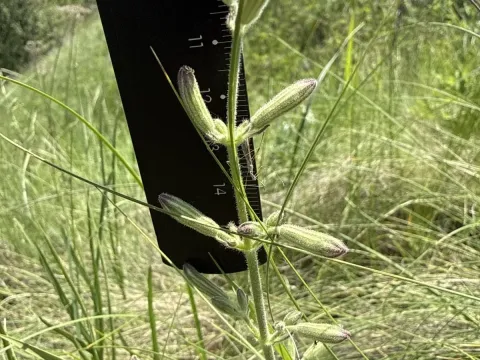
Silene viscosa
Silene viscosa
Silene viscosa, belonging to the Caryophyllaceae family, is a herbaceous perennial or biennial plant. In temperate climates, sowing is typically carried out in spring once the soil has warmed up to approximately 10-12 degrees Celsius.
What the section contains
Silene viscosa
Successful germination requires thorough soil preparation, which includes deep loosening and effective weed control. Seeds are sown at a shallow depth, usually between 1 to 2 centimeters, followed by light rolling to ensure optimal contact between seeds and the substrate.
Autumn sowing is also an option in regions with mild winters, allowing the plant to undergo natural stratification. This method often results in earlier and more uniform emergence in the following spring before the onset of summer heat.
The seeding rate depends on the intended use; crops grown for seed production require wider row spacing compared to crops grown for general ornamental or practical purposes. The optimal spacing between rows is generally between 30 and 45 centimeters.
Seedlings typically emerge within 14 to 20 days after sowing, provided that the topsoil remains consistently moist. During the initial growth phase, the crop is highly sensitive to sunlight deficiency and waterlogged soil conditions.
This crop prefers well-drained, fertile loamy or sandy soils with a neutral or slightly alkaline pH. It is highly intolerant of water stagnation, which can easily lead to root rot and the development of various pathogenic microorganisms.
As a sun-loving plant, Silene viscosa requires open, well-lit areas shielded from strong winds to thrive and bloom effectively. In shaded conditions, stems tend to become leggy, and overall plant productivity significantly decreases.
While the plant exhibits moderate drought resistance, consistent irrigation is necessary during the active vegetative stage. Ensuring adequate moisture during budding and the start of flowering is crucial for sustaining the plant's health and biomass quality.
Temperature requirements are moderate; the plant is relatively hardy, though it may require light winter protection in extremely cold regions without snow cover. The ideal temperature range for active growth is between 18 and 22 degrees Celsius.
Good agronomy involves the timely application of fertilizers. Nitrogen fertilizers are beneficial at the beginning of the vegetative stage, while potassium-phosphorus blends during the floral development phase help strengthen tissues and improve seed quality.
Fungal diseases are the primary threat to this crop, especially in conditions of high humidity and poor ventilation. Powdery mildew is a common issue, manifesting as a white fungal growth on leaves and stems.
Pests such as aphids and various types of caterpillars frequently target tender young shoots and flower buds. Control strategies involve the use of biological agents or contact-stomach insecticides when infestations are severe.
Root rot is the most dangerous disease, typically caused by improper irrigation practices. Since it is difficult to treat, the focus must remain on prevention: adhering to crop rotation and ensuring that soil does not remain saturated for long periods.
Weeds are serious competitors for nutrients during the early weeks of plant development. Regular weeding and inter-row cultivation are essential to ensure that young plants are not suppressed by invading unwanted vegetation.
Proactive application of fungicides in early spring significantly reduces the risk of infection, allowing for healthier stem growth and better seed maturation throughout the season.
Seed harvesting is conducted during the phase of full maturity when the seed capsules turn a characteristic brownish color. Precision is key, as the capsules can crack and release their tiny seeds if left too long in the field.
If the crop is intended for medicinal use, the harvest of the aerial parts is performed during peak flowering. At this stage, the concentration of beneficial bioactive compounds within the plant is at its highest.
Cut plant material should be dried rapidly in a well-ventilated area or under a shed, avoiding direct sunlight to maintain its chemical integrity and prevent spoilage of the biomass.
For seed production, cleaning the seeds using a system of sieves with varying mesh sizes is crucial to remove plant debris. Stored seeds must be kept in a dry, cool location with minimal humidity levels.
Small-scale producers often utilize manual harvesting of seed heads to minimize losses and ensure high-quality material for the next planting season.