
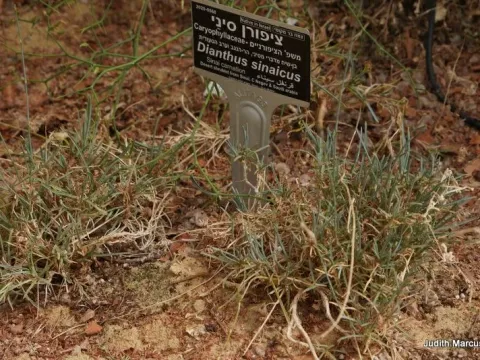
Sinai carnation
Dianthus sinaicus
Sinai carnation (Dianthus sinaicus) is a perennial herbaceous plant belonging to the Caryophyllaceae family. Native to the arid landscapes of the Sinai Peninsula, it has evolved to thrive in environments characterized by limited water availability and high solar radiation.
What the section contains
Sinai carnation
Botanically, this species is defined by its compact growth habit and specialized physiological mechanisms for water retention. Its root system is particularly adept at extracting nutrients and moisture from rocky or sandy, nutrient-poor substrates.
Regarding cultivation requirements, the species demands full exposure to direct sunlight and excellent drainage. It is highly intolerant of waterlogged soil, which typically leads to root decay, and thus requires sandy, porous soil profiles to mimic its natural desert habitat.
The agrotechnology for this species focuses on creating a stable, low-maintenance environment. Fertilization should be kept to a minimum, as the plant is adapted to nutrient-deficient soils, and excessive feeding often reduces the plant's natural resistance to heat and drought.
In terms of agricultural and landscape usage, the Sinai carnation is increasingly valued for xeric garden design and as a genetic reservoir for breeding climate-resilient ornamental plants. Its ability to maintain aesthetic appeal in harsh heat makes it a unique candidate for sustainable horticulture.
The primary threats to Dianthus sinaicus are fungal infections resulting from high humidity and poor soil drainage. Pathogens such as Fusarium species can quickly infect the root system if the soil remains wet for extended periods.
Insect pests, specifically aphids and spider mites, may target the plants if they are grown in cramped conditions with low airflow. Regular monitoring and maintaining proper plant spacing are effective cultural practices to mitigate these risks without relying on heavy chemical interventions.