
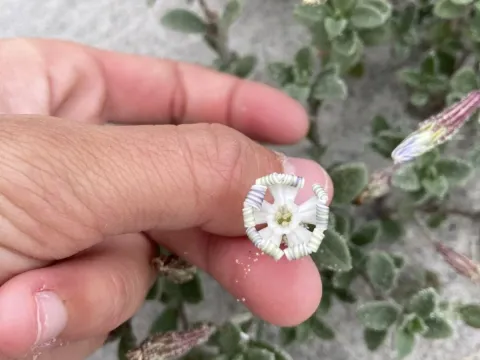
Silene succulenta
Silene succulenta
Silene succulenta is a perennial plant belonging to the Caryophyllaceae family, known for its ability to thrive in challenging environments. As the name suggests, it exhibits succulent characteristics, such as fleshy leaves and stems that store water, which makes it highly resistant to arid conditions.
What the section contains
Silene succulenta
Botanically, this species is well-adapted to coastal and sandy habitats. Its deep root system allows it to anchor firmly in shifting substrates while accessing moisture reserves in deeper layers of the soil. The foliage often features a waxy coating to minimize transpiration and protect against salt spray.
Regarding cultivation, Silene succulenta requires sandy, well-draining soil. It is intolerant to waterlogged conditions, which lead to root rot. Optimal growth is achieved in areas with full sun exposure, as insufficient light will cause the plant to lose its compact, succulent habit.
Environmental requirements include a Mediterranean or arid climate pattern. The plant thrives in conditions with high solar radiation and low relative humidity. It is relatively salt-tolerant, making it an excellent candidate for coastal restoration projects or specialized xeriscaping.
Agronomic management is characterized by low maintenance. Fertilizer application should be minimal, as nitrogen-rich environments encourage rapid, weak growth that reduces the plant's drought tolerance. Weed management is essential during the establishment phase, as young plants compete poorly with faster-growing weeds.
The primary threats to Silene succulenta are fungal diseases triggered by poor soil aeration and excessive humidity. Root rot and damping-off are common issues, especially in poorly drained containers or stagnant moisture areas, which can kill the plant quite rapidly.
Pests such as aphids pose a significant risk, particularly during the active growing season. They cluster on new shoots, extracting nutrients and causing leaf distortion. Integrated pest management, focusing on biological controls, is recommended to prevent large-scale infestations.
Slugs and snails can also damage the foliage, especially in damp, shaded corners of a garden. Using physical barriers like crushed shells or gravel around the base of the plant helps to create an inhospitable surface for these mollusks, protecting the succulent stems.
Powdery mildew is another concern if there is poor airflow around the plant. It manifests as a white, dusty layer on the leaves, which hinders photosynthesis and weakens the overall structure. Proper spacing and ensuring a dry microclimate around the plant help prevent this condition.
Root-knot nematodes are less common but can cause significant damage in infected soils, leading to stunted growth and yellowing. Regular monitoring of root health and using sterilized potting mixes are critical preventative measures for maintaining a healthy stand of this culture.