
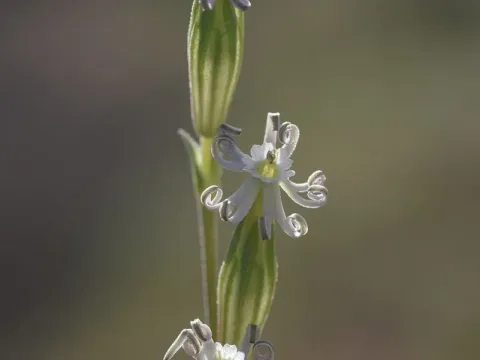
Silene vivianii
Silene vivianii
Silene vivianii belongs to the family Caryophyllaceae and is a herbaceous plant native to arid and semi-arid regions. Its natural habitat is typically found in North Africa and the Mediterranean basin, which dictates its preference for specific environmental conditions.
What the section contains
Silene vivianii
Botanically, the plant is adapted to survive with limited water, featuring specialized physiological structures that allow it to endure heat and light intensity. It produces distinct inflorescences that attract pollinators during the spring and early summer seasons.
The crop requires well-drained, porous soils to thrive. Sandy or gravelly soil profiles are ideal, as they prevent water accumulation around the crown, which is the most sensitive part of the plant regarding moisture-related damage.
Regarding climate, Silene vivianii demands full sun exposure. Shaded environments inhibit growth and cause weak, elongated stems, which negatively affects the plant's overall vigor and potential for mass production.
Agronomic management involves maintaining low to moderate fertilization levels. Excessive nutrient application is detrimental and encourages vegetative growth at the expense of floral development, making the plant more susceptible to environmental stress.
Fungal diseases, particularly root rots such as those caused by Pythium or Phytophthora species, are the primary biological threats to this crop. These pathogens become active under damp, poorly ventilated conditions.
Pest pressure often comes from sucking insects like aphids, which can cause significant damage by draining plant resources and potentially transmitting plant viruses. Regular inspections are vital to manage these populations early.
Preventative measures include the use of clean, pathogen-free seeds and the implementation of a strict sanitation program. Removing decaying plant matter from the field surface significantly reduces the risk of secondary infections.
Chemical control strategies for pests and diseases should be applied judiciously. Utilizing systemic fungicides and contact insecticides can be effective, provided that dosage and safety guidelines are followed meticulously.
Integrated Pest Management (IPM) practices, including crop rotation and the introduction of natural predators, provide a sustainable way to manage insect levels while minimizing the use of synthetic chemicals in the field.