
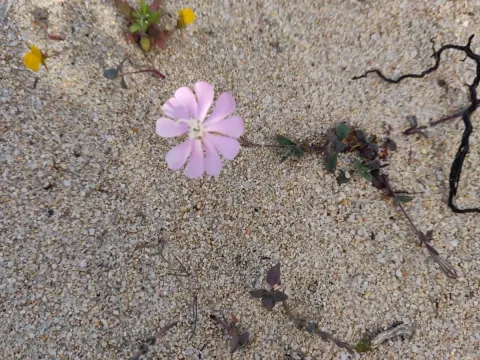
Silky catchfly
Silene sericea
Silene sericea is a charming annual plant belonging to the Caryophyllaceae family, widely appreciated for its delicate, silvery foliage and beautiful blooms. Seeds are typically sown directly into the garden beds in late spring, once the threat of frost has completely passed and soil temperatures have stabilized.
What the section contains
Silky catchfly
For earlier flowering, the seeds can be started indoors in seed trays during early spring. They require a light cover of soil and consistent moisture to germinate successfully, usually taking about two weeks to appear in optimal indoor conditions.
When sowing in the garden, it is important to provide sufficient spacing of about 20 to 25 centimeters between individual plants. This spacing allows for proper air circulation, which is essential to prevent moisture accumulation around the base of the plant.
The selection of a site with full sunlight is mandatory for this species. Silene sericea thrives when exposed to direct sun for most of the day, as this promotes compact growth and prevents the stems from becoming leggy or weak.
Prepare the seedbed by breaking up large clods of soil and ensuring the surface is fine-textured. If the garden soil is heavy or prone to compaction, adding a small amount of grit or sand will significantly improve the success rate of the germination process.
Originating from the Mediterranean region, this plant is naturally adapted to climates with dry summers and mild winters. It prefers well-drained, sandy, or rocky soils, which mimic its natural habitat and prevent the risk of root rot during wet seasons.
The water requirements are low once the plants are established. Silene sericea is drought-tolerant, but regular, moderate watering during the initial growth phase helps in establishing a strong root system that can support later bloom cycles.
Soil fertility does not need to be high. In fact, excessively rich or heavily fertilized soil can lead to lush green growth at the expense of floral display. A balanced, low-nitrogen fertilizer applied once during the season is usually sufficient.
As the plant is sensitive to competitive pressure, weed control is an essential part of its agronomy. Regular hand weeding or shallow hoeing helps the plants maintain their vigor and appearance without having to compete for limited soil nutrients.
Deadheading spent flowers is a recommended practice to maintain the plant's aesthetic value. By removing the wilted blooms, the plant is encouraged to direct its energy into producing more flowers, resulting in a more spectacular display throughout the season.
Root rot is the most significant threat to Silene sericea, particularly when grown in poorly draining soils or during periods of prolonged rainfall. Providing good drainage is the most effective preventative measure against this condition.
Powdery mildew may occur if air circulation is restricted around the plants. If symptoms appear, removing the affected leaves and applying an appropriate fungicide can help manage the infection and protect the remaining foliage.
Aphids occasionally target young shoots and developing flower buds, especially in dry weather. Monitoring the plants regularly allows for early detection, and manual removal or insecticidal soap sprays are usually enough to keep these pests under control.
Slugs and snails can be a nuisance for young, tender seedlings in the garden. Implementing physical barriers or organic pest deterrents in the early stages of growth is advisable to protect the crop from significant damage.
To ensure long-term health, avoid overhead watering, which can keep the foliage wet and create an environment suitable for fungal diseases. Watering at the base of the plant is much safer and more efficient for the plant's health.