
Silene veselskyi
Silene veselskyi
Description
Growing requirements
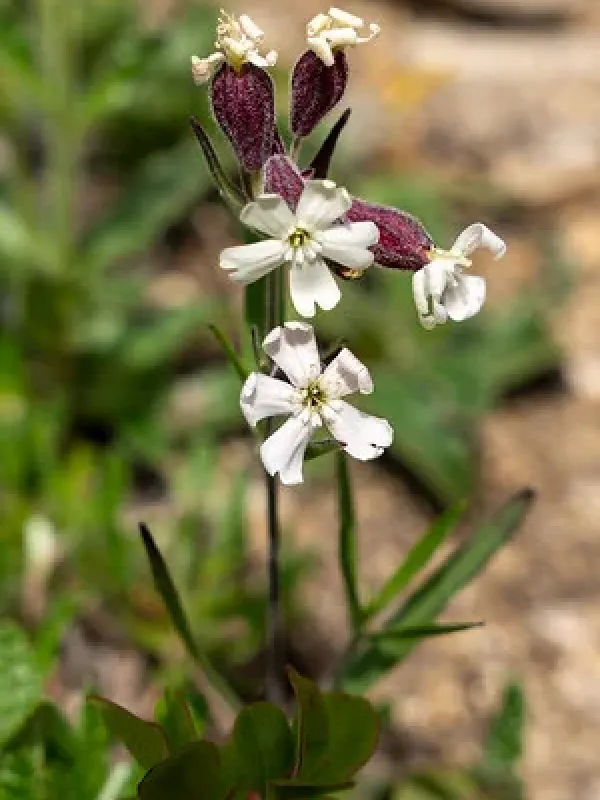
Silene veselskyi is a perennial herb belonging to the Caryophyllaceae family. Naturally occurring in alpine environments, this plant is well-adapted to high-altitude conditions, characterized by rocky terrain and exposure to fluctuating temperatures.
The plant exhibits compact growth habits, forming tight rosettes that protect it from high-velocity mountain winds. Its root system is specialized for anchoring in narrow crevices, making it highly drought-tolerant once established in a suitable substrate.
For successful cultivation, Silene veselskyi requires full sun exposure to promote healthy development and flowering. It thrives in locations where it receives ample light, essential for maintaining its dense vegetative structure and overall vigor.
Soil requirements are quite specific: the plant demands excellent drainage and a neutral to alkaline pH, mimicking its native limestone habitat. Heavy or waterlogged soils must be avoided as they inhibit root development and cause premature decay.
Minimal fertilization is required as the plant is adapted to nutrient-poor environments. Over-fertilization, especially with high nitrogen products, should be avoided as it compromises the plant's structural integrity and its natural resistance to environmental stress.
Main diseases and pests
The primary threats to Silene veselskyi include root rot and stem decay triggered by excessive soil moisture and poor aeration. Maintaining a coarse, stony surface around the base of the plant is recommended to prevent direct contact between foliage and wet soil.
Slugs and snails are the most common pests, as they feed on the young succulent leaves. Integrated pest management, including the use of crushed eggshells or mineral barriers, is recommended to protect the plants during the active growth season.
Fungal leaf spots can occur during humid summer weather if the plants are crowded. Ensuring proper spacing and keeping the foliage dry are effective strategies for reducing the incidence of fungal pathogens in the garden.
Aphid infestations may occasionally occur on the flower stalks, potentially stunting growth. Prompt action using gentle, non-toxic horticultural soaps or natural predators is usually sufficient to manage these populations without damaging the plant.
Finally, winter desiccation can be a threat if the soil remains wet during freezing temperatures. Ensuring that the site is well-drained before the arrival of winter is crucial to preventing the roots from freezing in water-saturated soil.