
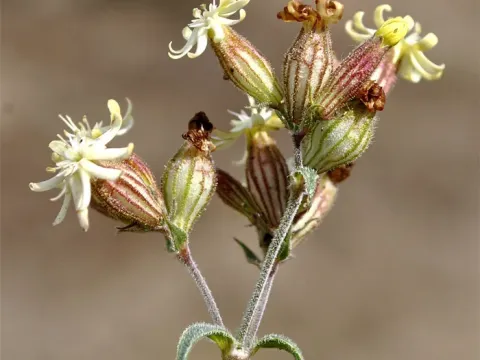
Silene spergulifolia
Silene spergulifolia
Silene spergulifolia is a perennial herbaceous plant belonging to the Caryophyllaceae family. Its natural distribution encompasses mountainous and arid regions, where it has adapted to survive in harsh environmental conditions.
What the section contains
Silene spergulifolia
The plant thrives in well-drained, nutrient-poor, and rocky soils. It is particularly valued for its exceptional drought resistance, making it suitable for soil stabilization and landscape restoration projects in arid zones.
Regarding climate, this species requires high sun exposure to ensure proper metabolic activity. It cannot tolerate waterlogging, which necessitates careful site selection to avoid areas with poor drainage and stagnant groundwater.
Botanically, the plant is characterized by its slender, linear leaves and small, elegant flowers. It typically grows in clumps, forming a protective ground cover that helps mitigate soil erosion in rugged, exposed habitats.
Agricultural interest in this plant has recently grown due to its resilience. It is being studied for its potential in dryland agriculture and as an ornamental species that requires minimal intervention once established.
The primary threat to the health of Silene spergulifolia is excessive moisture, which facilitates the development of various fungal pathogens, specifically those causing root rot and collar rot diseases.
Insect pests, including aphids and larvae that feed on the foliage, can become problematic if the plants are stressed due to improper environmental conditions. Monitoring is essential during the active growing phase.
Fungal leaf spots and powdery mildew may appear during periods of high humidity. Improving air circulation around the plants is the most effective cultural method to prevent these common issues from spreading.
Integrated pest management (IPM) is recommended for this crop. Using biological control agents and avoiding synthetic chemical applications ensures the plant maintains its natural hardiness and resilience.
Maintaining a balanced ecosystem on the cultivation site, including the preservation of natural predators, helps to manage pest populations naturally without the need for intensive chemical treatment.