
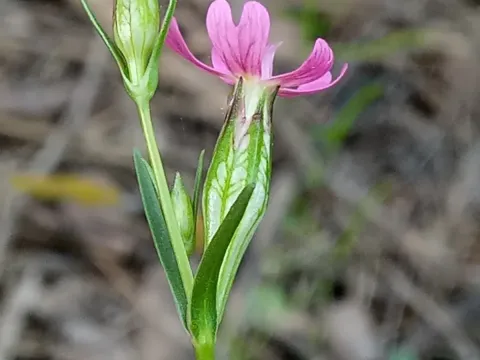
Silene stricta
Silene stricta
Silene stricta is a herbaceous plant belonging to the Caryophyllaceae family. It is known for its upright growth habit and distinct morphological features that allow it to thrive in specific, often challenging, open landscapes.
What the section contains
Silene stricta
The plant originates from regions characterized by a temperate climate. It primarily inhabits well-drained, sunny locations, often found in rocky or sandy soils where it displays significant resilience to heat and occasional dry spells.
Agricultural success with this species requires soil with excellent aeration and drainage. As a species sensitive to waterlogging, it performs best on slopes or well-draining soil structures that prevent root rot and ensure healthy growth cycles.
The biological cycle of the plant is adapted to utilize seasonal moisture effectively. Its rapid development during the spring months allows it to complete its growth phase before the peak heat of summer, which is a key survival strategy in its native range.
The utilization of Silene stricta is mainly focused on its role in natural vegetation management and its potential contribution to biodiversity restoration projects. It serves as a valuable component in grassland mixtures in its preferred habitats.
While relatively robust, Silene stricta can be susceptible to fungal diseases such as powdery mildew, especially if planted in areas with poor airflow or consistently high humidity levels throughout the growing season.
Pest pressures primarily include aphids and certain lepidopteran larvae. These insects can damage the developing floral parts and foliage, potentially affecting the overall vigor and reproductive output of the plant populations.
Preventive management involves ensuring adequate space between plants to promote circulation. Controlling weed populations is equally critical, as many common weeds act as secondary hosts for the pests mentioned above.
Excessive fertilizer application, particularly nitrogen, should be avoided, as it encourages weak, succulent growth that is more attractive to pests and more susceptible to environmental stress and physical lodging.
Regular field scouting is essential during the flowering stage. Early identification of infestations allows for targeted interventions, maintaining the health of the plant population without relying heavily on intensive chemical treatments.